




Introdução
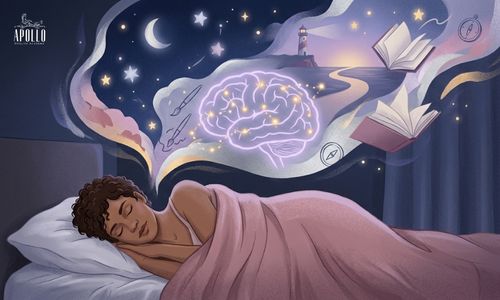
Você já acordou de um sonho tão real que precisou de alguns segundos para perceber que nada daquilo aconteceu? Pessoas de praticamente todas as culturas tentam interpretar os sonhos há milhares de anos e, até hoje, a ciência ainda está descobrindo por que nosso cérebro cria essas histórias enquanto dormimos.
📖 Aqui você encontra…
Why Do We Dream? A Mystery That Has Fascinated Humanity for Thousands of Years
Almost everyone dreams, yet no one fully understands why. Every night, while our bodies rest, our brains create stories that can be exciting, confusing, emotional, or even frightening. Some dreams seem completely random, while others feel so realistic that we remember them for years.
For thousands of years, people have wondered what dreams mean. Are they simply a product of the sleeping brain, or do they reveal something deeper about our thoughts and emotions? Although scientists have learned a great deal about sleep, dreaming remains one of the greatest mysteries of the human mind.
Dreams Throughout History and Culture
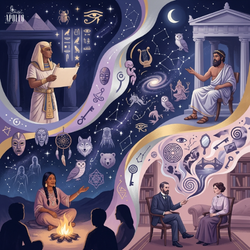 Long before modern science existed, many civilizations believed dreams carried important messages.
In Ancient Egypt, dreams were considered messages from the gods, and priests sometimes interpreted them. Ancient Greeks also believed dreams could predict the future or provide guidance. In some Indigenous cultures, dreams are still viewed as a way to connect with ancestors or the spiritual world.
Later, the famous psychologist Sigmund Freud suggested that dreams reveal hidden desires and unconscious thoughts. Another influential psychologist, Carl Jung, believed dreams contain universal symbols that reflect shared human experiences.
Today, these ideas remain culturally important, even though modern science explains dreams in different ways.
What Does Science Say?
Scientists now know that most vivid dreams happen during REM (Rapid Eye Movement) sleep, a stage when the brain is highly active even though the body is resting.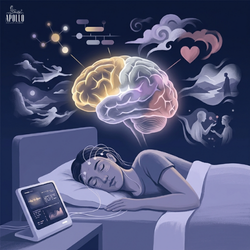
There is no single explanation for why we dream, but researchers have developed several theories. Some believe dreams help organize memories and strengthen learning. Others think dreaming allows the brain to process emotions or prepare us for possible future situations by simulating experiences.
Although researchers continue to investigate this topic, most agree that dreaming is connected to important brain functions rather than being completely meaningless.
Amazing Facts About Dreams
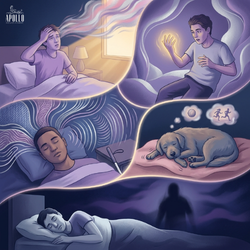 Dreams can be stranger than fiction.
Most people forget the majority of their dreams within just a few minutes after waking up. Some people experience lucid dreams, where they realize they are dreaming and may even control what happens.
Scientists have also discovered that people who are blind can dream using sounds, touch, smell, and emotions instead of visual images. Animals such as dogs, cats, and even some birds appear to dream as well, suggesting that dreaming may be much older than humanity itself.
Another fascinating phenomenon is the nightmare. Although unpleasant, nightmares may help the brain practice responding to dangerous situations in a safe environment.
Famous Discoveries Inspired by Dreams
Throughout history, dreams have inspired remarkable ideas.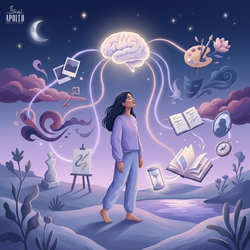
The Russian chemist Dmitri Mendeleev reportedly imagined the arrangement of the periodic table after dreaming about it. The famous song “Yesterday” by Paul McCartney also came to him in a dream. Even writer Mary Shelley said that the idea for Frankenstein was inspired by a vivid dream.
Whether these stories are entirely accurate or have become part of history’s legends, they remind us that dreams have often inspired creativity and innovation.
Why Dreams Matter
Even though scientists continue searching for answers, dreams remain an important part of the human experience.
They reflect our emotions, stimulate creativity, and remind us how extraordinary the human brain truly is. Dreams also appear in literature, movies, religions, psychology, and art, making them an important part of cultures around the world.
Perhaps one day science will fully explain why we dream. Until then, every night offers another journey into one of humanity’s greatest mysteries.
Get to know Apollo?
Gostou de explorar um dos maiores mistérios da mente humana? Na Apollo Academy, acreditamos que aprender inglês também significa descobrir como a ciência, a história e a cultura nos ajudam a compreender o mundo ao nosso redor. Continue acompanhando nossos conteúdos semanais e perceba como temas curiosos e fascinantes podem transformar o aprendizado do idioma em uma experiência muito mais rica, interessante e inspiradora.