




Introdução
Você usa emojis todos os dias… mas já parou para pensar de onde eles vieram? 🤔📱
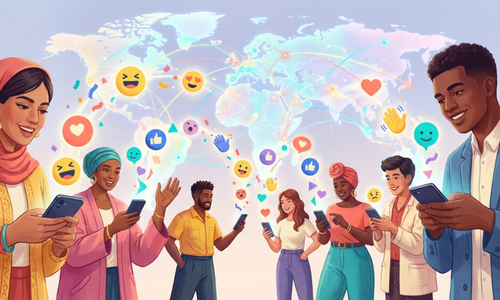
Nesta sexta-feira comemoramos o World Emoji Day, uma data divertida que celebra um dos maiores fenômenos da comunicação moderna. Muito mais do que simples “carinhas”, os emojis ajudam pessoas do mundo inteiro a expressar emoções, tornar as conversas mais claras e até superar barreiras linguísticas. 🌍✨
📖 Aqui você encontra…
🌍 World Emoji Day: How Tiny Pictures Changed the Way We Communicate
😊 A Language Everyone Understands
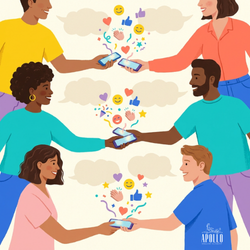 Take a look at your last few messages. There’s a good chance you’ll find at least one emoji. Whether it’s 😂, ❤️, 👍 or 🎉, emojis have become part of everyday communication for billions of people around the world.
Unlike spoken languages, emojis can often be understood by people from different countries. They add emotion, clarify meaning, and sometimes even replace words completely. While they are not a language by themselves, they have become an international form of visual communication.
📱 Where Did Emojis Come From?
Many people think emojis were created by Apple or social media companies, but their story actually began in Japan.
In 1999, Japanese designer Shigetaka Kurita created the first set of 176 emojis while working for a mobile phone company. His goal was simple: help people communicate more clearly using small pictures.
The word emoji also comes from Japanese. “E” means picture, and “moji” means character. Although the word sounds similar to emotion, the two words are not related.
📅 Why Is World Emoji Day Celebrated on July 17?
World Emoji Day is celebrated every year on July 17.
The date was chosen because the calendar emoji (📅) on many devices originally displayed July 17. This happened because Apple used that date to announce its calendar application many years ago. As the calendar emoji became widely recognized, July 17 naturally became the perfect day to celebrate emojis.
Today, companies, websites, schools, and social media users all over the world join the celebration by sharing fun facts, quizzes, games, and creative emoji messages.
🌐 Who Decides Which Emojis We Can Use?
 Have you ever wondered who decides whether we get new emojis?
That job belongs to the Unicode Consortium, an international organization that develops the technical standards allowing computers, smartphones, and websites to display the same characters around the world.
Every year, people and organizations can suggest new emojis. The Unicode Consortium carefully evaluates each proposal based on factors such as expected popularity, cultural relevance, and whether the emoji represents something that is missing from the current collection.
Once approved, technology companies like Apple, Google, Microsoft, and Samsung design their own versions. That’s why the same emoji may look slightly different depending on the device you use.
😂 The World’s Favorite Emojis
Some emojis become incredibly popular because they express emotions that everyone experiences.
For several years, 😂 (Face with Tears of Joy) was considered the world’s most used emoji. More recently, ❤️ (Red Heart), 🤣 (Rolling on the Floor Laughing), 👍 (Thumbs Up), 😊 (Smiling Face with Smiling Eyes), and ✨ (Sparkles) have consistently appeared among the favorites.
Their popularity changes over time as communication styles evolve, but they all have one thing in common: they help people express feelings quickly and clearly.
🤔 Can Emojis Be Misunderstood?
Even though emojis make communication easier, they don’t always mean the same thing to everyone.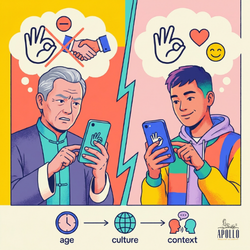
An emoji may have different meanings depending on age, culture, or context. For example, 👍 is seen as positive in many countries but may be considered rude in others. Some emojis also develop completely new meanings on social media that were never part of their original design.
This reminds us that communication is about more than words or pictures. Context always matters.
🚀 More Than Just Fun
Today, emojis are used in personal conversations, advertising, education, customer service, and even scientific research about digital communication.
They make messages feel warmer, friendlier, and easier to understand. Although they will probably never replace traditional language, emojis have become an important part of how people communicate in the digital age.
Small pictures can sometimes say a lot.
Get to know Apollo?
Gostou de descobrir a história por trás dos emojis? Na Apollo Academy, acreditamos que aprender inglês também significa compreender como a comunicação evolui e como a cultura digital aproxima pessoas ao redor do mundo. Continue acompanhando nossos conteúdos semanais e descubra como temas do dia a dia podem transformar o aprendizado do idioma em uma experiência mais divertida, atual e conectada com o mundo. 🌍📱✨