




Introdução
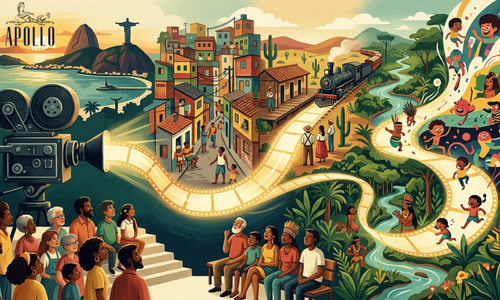
O cinema é uma das formas mais poderosas de contar histórias, preservar memórias e representar a identidade de um povo. Nesta semana, em comemoração ao Dia do Cinema Brasileiro, vamos explorar a trajetória do nosso cinema, conhecer alguns dos filmes que conquistaram o público dentro e fora do país e descobrir como as produções brasileiras ajudaram a mostrar a diversidade e a riqueza cultural do Brasil para o mundo.
📖 Aqui você encontra…
Brazilian Cinema Day: Stories That Travel Beyond Borders
The Origins of Brazilian Cinema
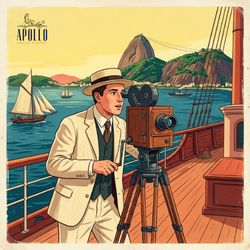
Brazilian Cinema Day is celebrated on June 19th because it marks one of the earliest film recordings made in Brazil. In 1898, Italian-Brazilian filmmaker Afonso Segreto returned from Europe and filmed images of Guanabara Bay in Rio de Janeiro. This event is often considered one of the first moments in Brazilian cinema history.
Since then, Brazilian cinema has gone through many transformations. From silent films to modern streaming productions, it has continuously reflected the country’s social changes, regional diversity, and cultural identity.
 Brazilian Cinema and Popular Culture
Cinema has played an important role in Brazilian popular culture. Movies often portray everyday life, social issues, humor, and historical events in ways that resonate with audiences.
Over the years, Brazilian films have introduced memorable characters and stories that became part of the national imagination. Comedy films, dramas, documentaries, and children’s movies all contribute to the richness of the country’s cinematic landscape.
Many expressions, scenes, and characters from Brazilian movies have entered popular culture and continue to be referenced by new generations.
Brazilian Films That Reached the World
Several Brazilian productions have achieved international recognition. The film City of God became famous for its powerful storytelling and received multiple Academy Award nominations.
Another internationally acclaimed film is Central Station, which received worldwide praise and earned an Academy Award nomination for actress Fernanda Montenegro.
Animated productions have also found success abroad. The Boy and the World was nominated for the Academy Award for Best Animated Feature and introduced international audiences to a uniquely Brazilian artistic style.
More recently, films starring or produced by Brazilian artists have continued to increase the visibility of Brazilian cinema around the world.
Curious Facts About Brazilian Cinema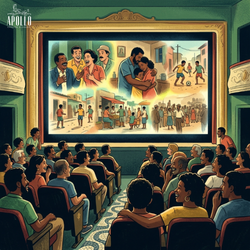
Brazil produces hundreds of films every year, covering an impressive variety of genres and themes. One interesting aspect of Brazilian cinema is its ability to mix entertainment with social commentary.
The movement known as Cinema Novo, which emerged in the 1960s, became internationally influential for its realistic portrayal of inequality and its innovative storytelling techniques. Its filmmakers believed that cinema should encourage audiences to think critically about society.
Another curiosity is that many beautiful Brazilian locations have served as natural sets for films, helping showcase the country’s landscapes and cultural diversity.
 Why Cinema Matters for English Learners
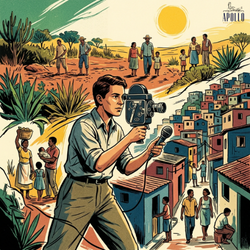
Movies are excellent tools for language learning. Watching films helps students improve listening skills, discover new vocabulary, and understand cultural references.
Exploring Brazilian cinema in English also creates an interesting opportunity: students can discuss familiar stories and cultural experiences while practicing a new language.
Cinema reminds us that stories can cross borders, connect people, and create meaningful learning experiences.
Get to know Apollo?
Gostou de aprender inglês através do cinema? Na Apollo Academy, acreditamos que aprender um idioma também é descobrir novas histórias, culturas e formas de ver o mundo. Continue acompanhando nossos conteúdos e perceba como filmes, livros e temas do cotidiano podem transformar seu aprendizado em uma experiência muito mais divertida e significativa!