



Introdução
O universo sempre despertou curiosidade, e hoje, mais do que nunca, ele também impulsiona avanços tecnológicos e inspira novas gerações. Entre o Dia Mundial da Astronomia e as recentes missões do programa Artemis, temos uma oportunidade perfeita para explorar ciência, cultura e inovação. Neste texto em inglês, você vai aprender sobre esses temas enquanto desenvolve seu vocabulário e sua compreensão de forma prática e interessante.
📖 Aqui você encontra…
World Astronomy Day and the Artemis Mission: Exploring the Universe
What Is World Astronomy Day?
 World Astronomy Day is a global event dedicated to bringing astronomy closer to the public. It was created to encourage people to look at the sky, learn about the universe, and develop an interest in science.
Astronomy is the scientific study of celestial objects such as stars, planets, and galaxies. Events like this often include telescope observations, educational activities, and public discussions about space.
The Origins of Modern Space Exploration
Modern space exploration began in the 20th century, especially during the Space Race between the United States and the Soviet Union. One of the most important milestones was the Apollo 11 Moon Landing, when humans first walked on the Moon.
Since then, space agencies around the world have continued to explore space, developing new technologies and expanding our understanding of the universe.
What Is the Artemis Program?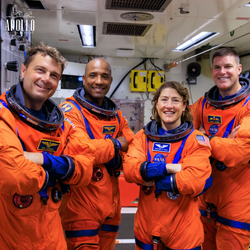
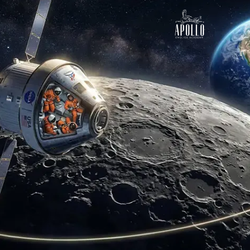
The Artemis Program is a modern initiative led by NASA. Its main goal is to return humans to the Moon and establish a sustainable presence there.
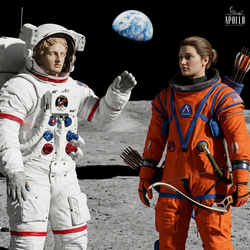
Unlike earlier missions, Artemis aims to include the first woman and the first person of color on the Moon. It also focuses on long-term exploration, including preparing for future missions to Mars.
Innovation and Technology
The Artemis missions involve advanced spacecraft, new rocket systems, and improved navigation technologies. One example is the Space Launch System (SLS), one of the most powerful rockets ever built.
These innovations are not only important for space travel but also influence technology on Earth. Many everyday tools, from GPS systems to medical equipment, have connections to space research.
Cultural and Global Impact
Space exploration inspires curiosity and imagination. It connects people across cultures through a shared interest in the unknown. The Artemis program represents a new era of international cooperation, with multiple countries working together.
It also reflects changes in society, promoting diversity and inclusion in science and technology fields.
 Interesting Facts and Curiosities
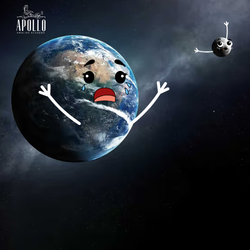
Did you know that the Moon is slowly moving away from Earth each year? Or that astronauts experience microgravity, which affects how their bodies function?
Another interesting fact is that space missions require precise communication and coordination, often using English as the main language. This makes English an important tool for global scientific collaboration.
Why It Matters for English Learners
Topics like astronomy and space exploration are rich in vocabulary related to science, technology, and discovery. Learning English through these subjects helps students expand their knowledge while practicing the language.
Discussing space also encourages curiosity, critical thinking, and the ability to explain complex ideas in English, essential skills in today’s global world.
Get to know Apollo?
Quer aprender inglês explorando ciência, tecnologia e temas que expandem sua visão de mundo? Na Apollo Academy, você desenvolve seu inglês com conteúdos relevantes e atuais. Entre em contato conosco e descubra como transformar curiosidade em aprendizado real.