


Introdução
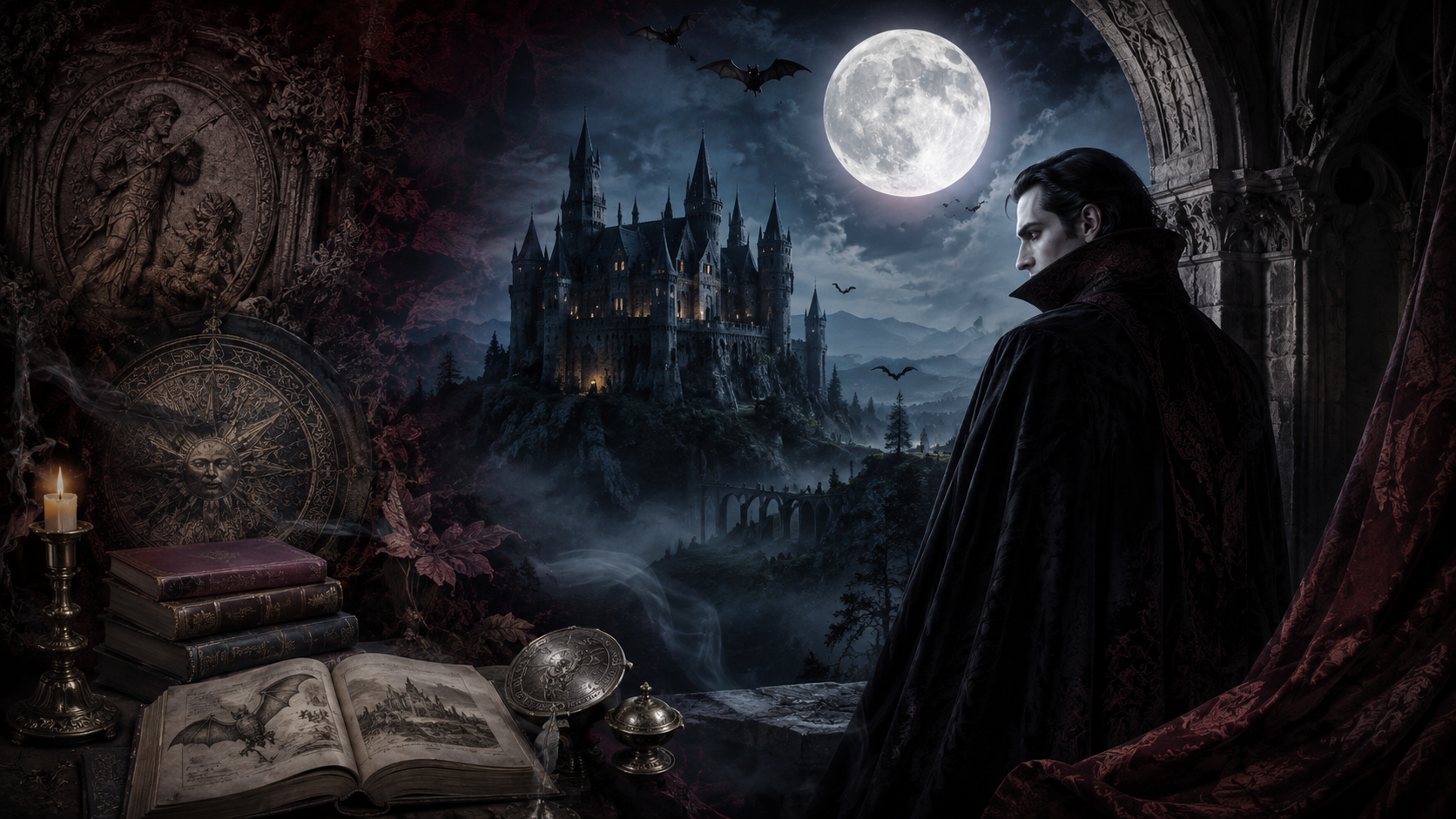
Dos castelos sombrios da Europa até os filmes e séries modernas, os vampiros atravessaram séculos como uma das criaturas mais fascinantes da cultura popular. Nesta semana, vamos explorar as origens dessas lendas, entender como elas evoluíram ao longo da história e descobrir por que figuras como Drácula continuam tão presentes em livros, filmes e jogos até hoje. Tudo isso enquanto você pratica inglês com um tema cheio de mistério e curiosidade.
📖 Aqui você encontra…
Vampires Through History: From Ancient Legends to Pop Culture
 The Origins of Vampire Legends
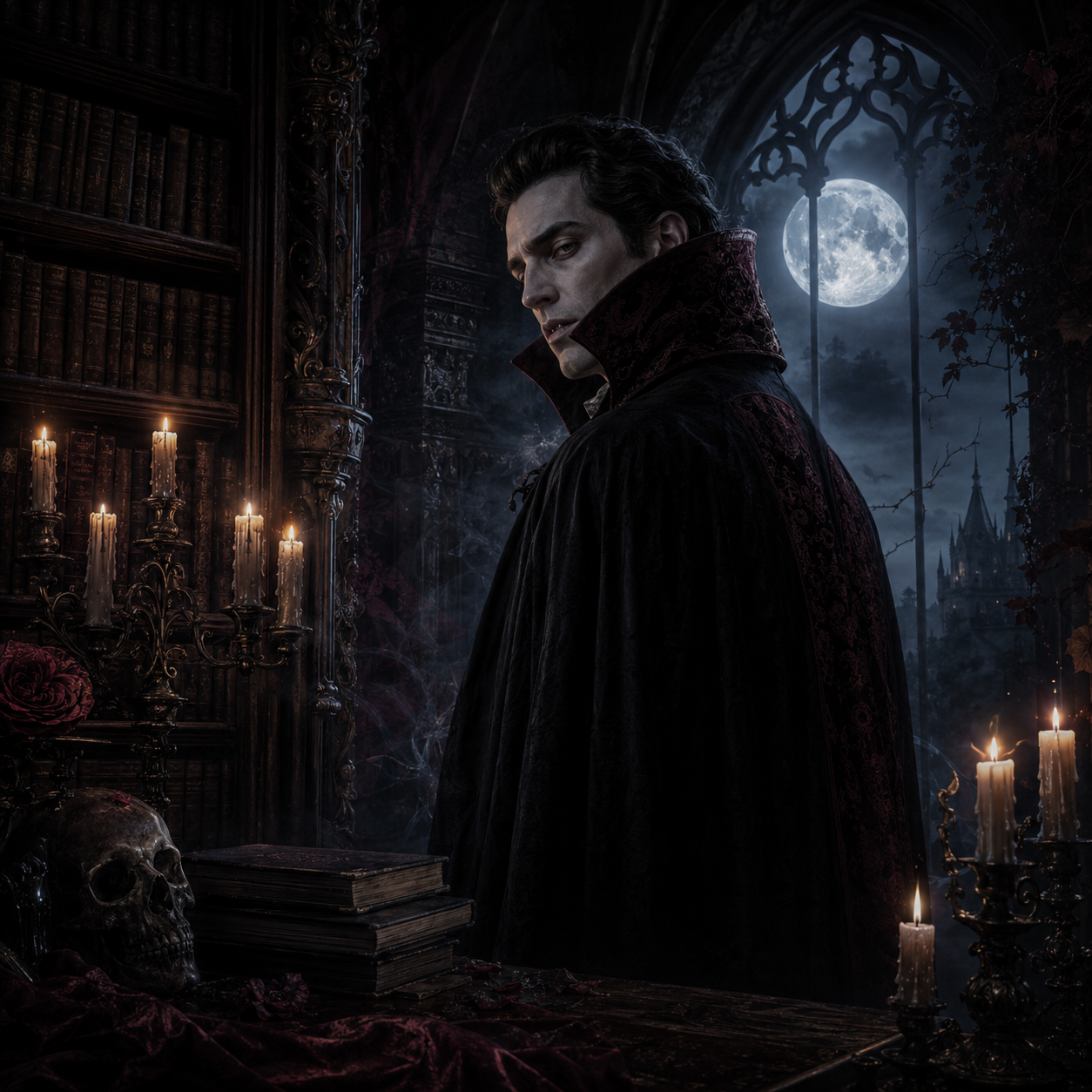
Stories about creatures that feed on human blood are much older than modern horror movies. Many ancient civilizations had myths about spirits or monsters that returned from the dead to harm the living.
In parts of Eastern Europe, especially during the Middle Ages, people strongly believed in vampires. Illnesses, unexplained deaths, and even natural decomposition processes often increased fear and superstition among communities.
The word “vampire” itself became widely known in Europe during the 18th century, when reports of supposed vampire cases spread through newspapers and folklore.
Dracula and the Birth of the Modern Vampire
The most famous vampire in history is probably Count Dracula, created by Bram Stoker in the novel Dracula, published in 1897.
Stoker’s character was partly inspired by Vlad the Impaler, a historical ruler known for his cruelty and violent punishments.
The novel helped define the image of the modern vampire: pale skin, sharp fangs, dark clothing, immortality, and fear of sunlight.
Vampires in Popular Culture
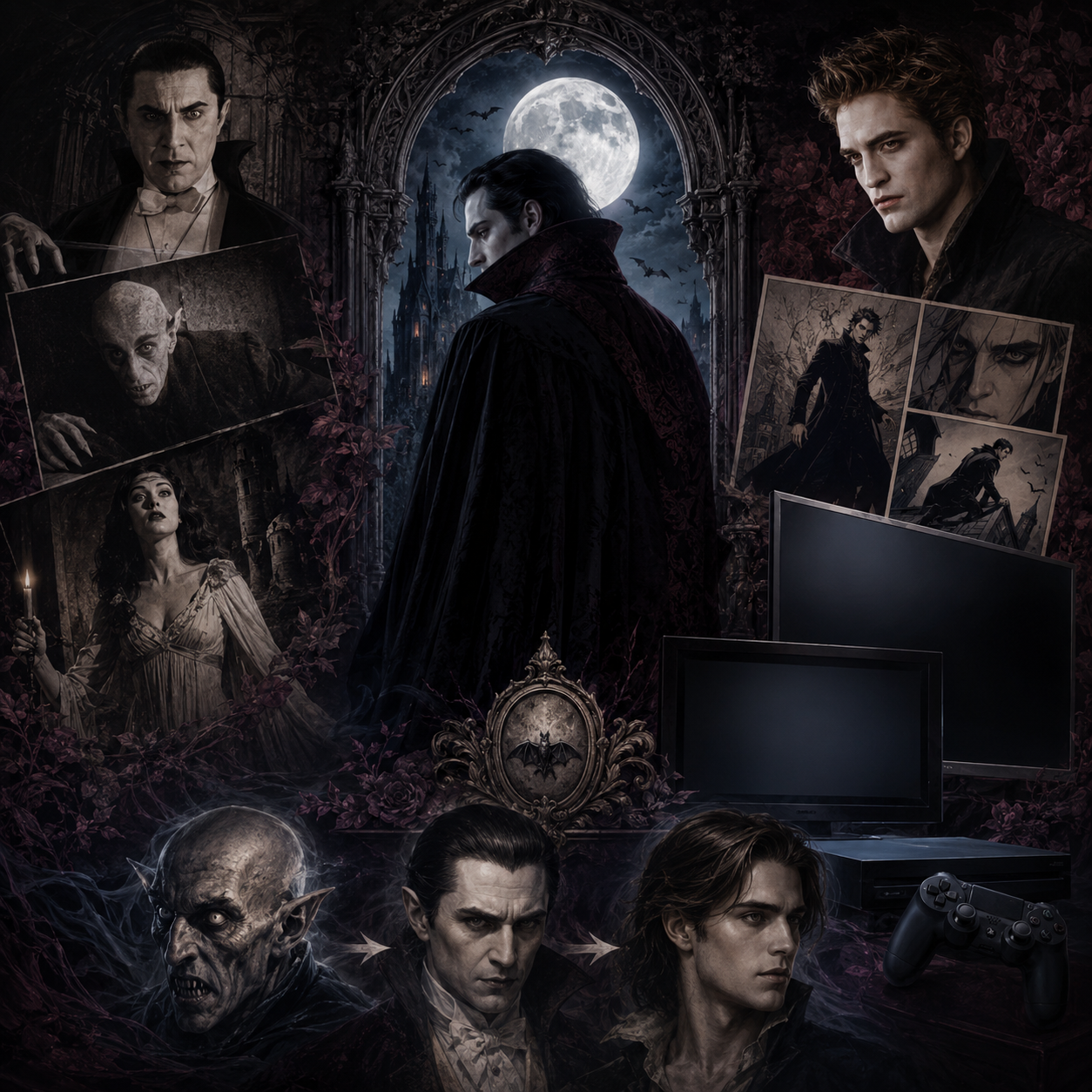
Over time, vampires evolved from terrifying monsters into complex cultural icons. In classic horror films, they represented fear and death. Later, books and movies began portraying vampires as tragic, romantic, or misunderstood characters.
Modern franchises such as Twilight and The Vampire Diaries introduced vampires to younger audiences, transforming them into pop culture phenomena.
Today, vampires appear in games, comics, television, music, and internet culture.
Curiosities and Famous Beliefs
Many traditional vampire myths included unusual methods of protection. People believed garlic, holy symbols, and wooden stakes could stop vampires.
Another interesting belief was that vampires could not enter a home unless invited inside. This idea became one of the most recognizable rules in vampire fiction.
Some historians believe real diseases, such as rabies or tuberculosis, may have influenced vampire legends because their symptoms created fear and confusion in earlier centuries.
 Why Vampires Continue to Fascinate Us
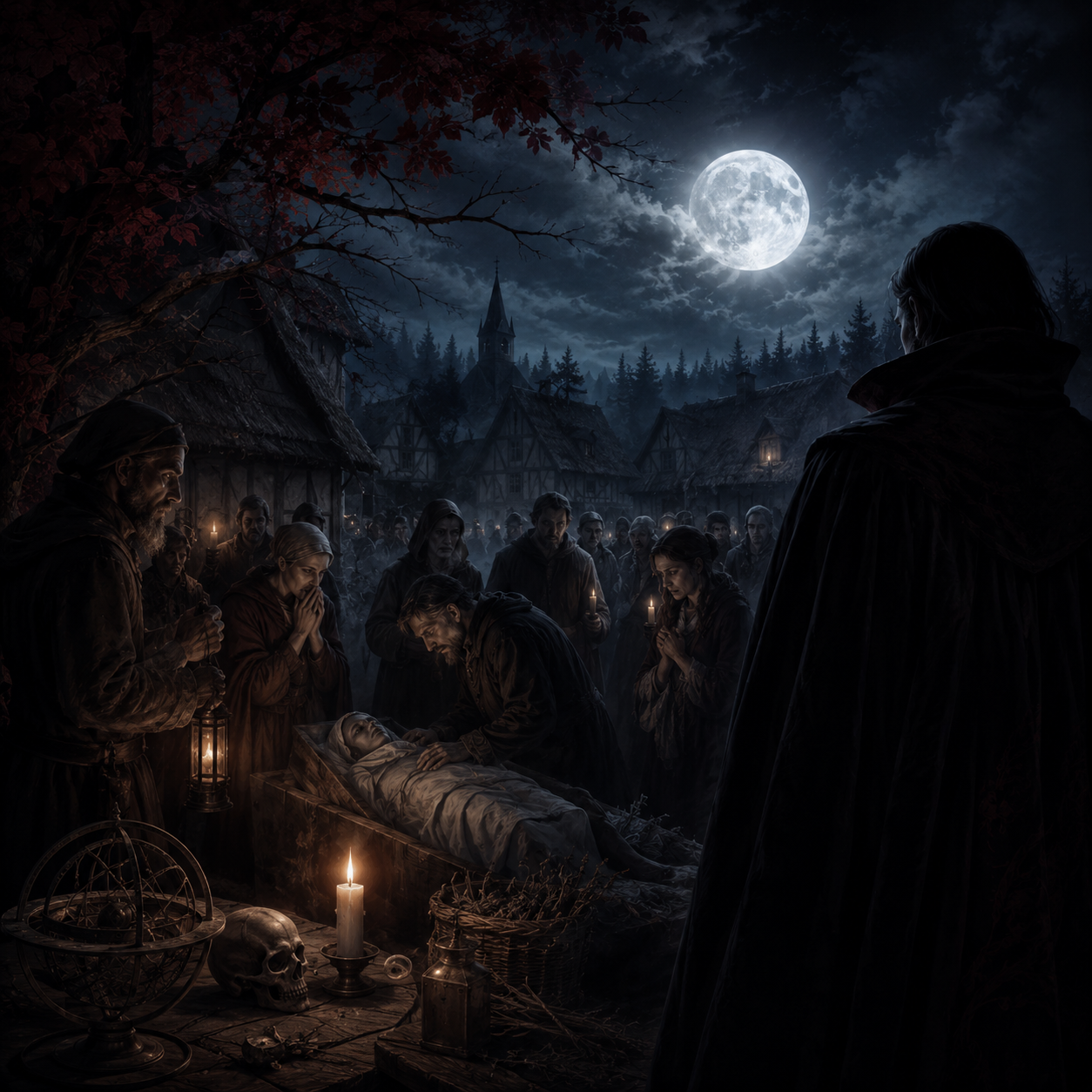
Vampires remain popular because they combine fear, mystery, immortality, and human emotion. They can represent loneliness, desire, power, or even social fears from different historical periods.
Each generation reinvents vampires in new ways, allowing the myth to survive across centuries.
Why This Topic Helps English Learners
Stories about vampires are excellent for English learners because they involve descriptive vocabulary, storytelling, suspense, and cultural references.
Since many students already know vampire characters from movies and series, the topic becomes engaging and easier to connect with emotionally, making vocabulary more memorable.
Get to know Apollo?
Quer aprender inglês explorando histórias misteriosas, cultura pop e temas que despertam curiosidade de verdade? Na Apollo Academy, o inglês vai muito além da gramática: ele conecta você com filmes, livros, lendas e assuntos fascinantes do mundo todo. Entre em contato conosco e descubra uma forma muito mais envolvente de aprender inglês.