



Introdução
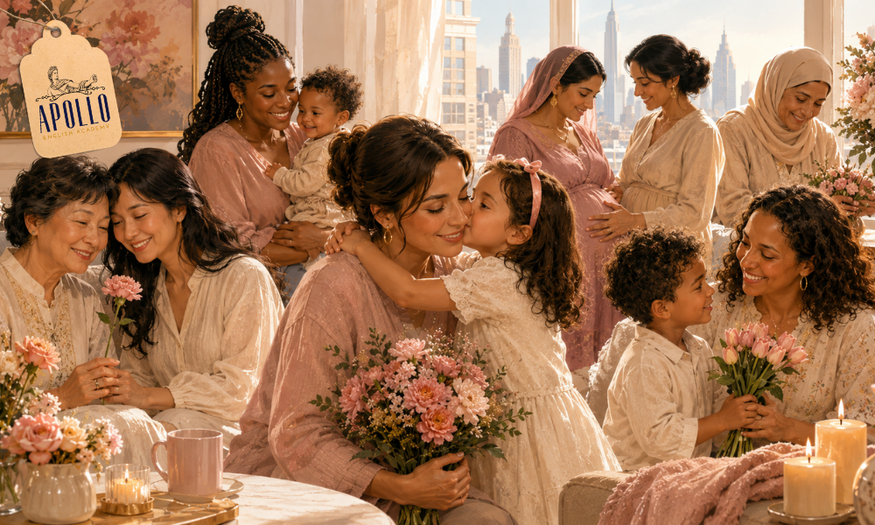
O Dia das Mães é uma das datas mais emocionais do ano: uma celebração que atravessa culturas, histórias e gerações. Mais do que presentes, é um momento de reconhecimento, afeto e memória. Neste texto em inglês, você vai explorar a origem dessa data, seu significado e curiosidades interessantes, enquanto desenvolve seu vocabulário de forma natural e contextualizada.
📖 Aqui você encontra…
Mother’s Day: History, Meaning, and Cultural Traditions
 What Is Mother’s Day?
Mother’s Day is a special celebration dedicated to honoring mothers and maternal figures. It is a day to recognize the love, care, and influence that mothers have in our lives.
In Brazil, Mother’s Day is celebrated on the second Sunday of May. Families usually come together to give gifts, share meals, and express gratitude.
Historical Origins
The modern version of Mother’s Day began in the early 20th century in the United States. It is strongly associated with Anna Jarvis, who wanted to create a day to honor her mother and the role of mothers in society.
In 1914, Mother’s Day became an official holiday in the United States. Over time, the tradition spread to many countries, each adapting it to its own culture.
Cultural Importance
Mother’s Day is more than a commercial celebration. It reflects values such as family, respect, and appreciation. It is a time to recognize emotional support, sacrifice, and dedication.
In many cultures, motherhood is closely linked to identity and community, making this celebration deeply meaningful.
Traditions Around the World
Different countries celebrate Mother’s Day in unique ways. Some focus on religious traditions, while others emphasize family gatherings and gifts.
Common gifts include flowers, cards, and chocolates. However, many people believe that the most important part of the day is spending time together.
 Interesting Facts and Curiosities
Interestingly, Anna Jarvis later became critical of how commercialized Mother’s Day had become. She believed the day should focus on sincere appreciation rather than expensive gifts.
Another curiosity is that Mother’s Day is one of the busiest days of the year for restaurants and phone calls, as people try to connect with their mothers.
Why It Matters for English Learners
Mother’s Day is a great topic for practicing emotional vocabulary and everyday expressions. It helps learners talk about family, relationships, and personal experiences.
Discussing meaningful topics like this makes learning English more engaging and helps students express real feelings in a new language.
Get to know Apollo?

Quer aprender inglês falando sobre temas reais, emocionais e que fazem parte da sua vida? Na Apollo Academy, você desenvolve seu inglês de forma natural, conectando idioma e significado. Entre em contato conosco e descubra como transformar aprendizado em algo leve, prático e envolvente.