



Introdução
Você já tentou esquecer uma música e acabou cantando o mesmo trecho durante horas? Se isso já aconteceu com você, parabéns: você encontrou um earworm! Nesta semana, vamos descobrir por que algumas músicas parecem grudar na nossa mente, explorar a origem desse fenômeno e entender como ele influencia a cultura, a publicidade e até mesmo o aprendizado de idiomas.
📖 Aqui você encontra…
Why Are Some Songs Impossible to Forget?
 What Is an Earworm?
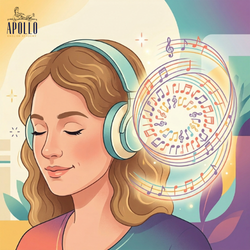
Have you ever heard a song and then found yourself humming it hours later, even when the music had already stopped? If so, you have experienced what psychologists call an “earworm.”
An earworm is a catchy piece of music that becomes stuck in a person’s mind and repeats involuntarily. The scientific term for this phenomenon is “involuntary musical imagery,” but most people simply call it an earworm.
Interestingly, the term comes from the German word Ohrwurm, which literally means “ear worm.” The expression became popular in English during the late twentieth century and is now widely used around the world.
Why Do Earworms Happen?
Scientists believe earworms occur because the human brain is constantly searching for patterns. Songs with repetitive melodies, simple lyrics, and memorable rhythms are especially likely to become stuck in our memory.
When a song contains an unfinished musical phrase or a highly repetitive chorus, the brain often continues replaying it automatically. This is one reason why advertising jingles can be so effective.
Research suggests that earworms are more common when people are tired, stressed, or performing repetitive tasks. In these situations, the brain may replay familiar music almost like a background soundtrack.
The Most Famous Earworms in Popular Culture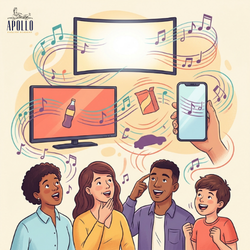
Throughout history, certain songs have become famous not only for their popularity but also for their ability to stay in people’s heads.
Songs such as We Will Rock You by Queen, Happy by Pharrell Williams, and Can’t Get You Out of My Head by Kylie Minogue have often appeared on lists of the world’s most memorable songs.
One particularly famous example is Baby Shark, which became a global phenomenon because of its extremely repetitive structure and simple melody. Its popularity demonstrated how repetition can make music unforgettable.
 Earworms in Movies, Television, and Advertising
Popular culture frequently uses earworms intentionally. Movie soundtracks, television theme songs, and advertising jingles are often designed to be memorable.
Many people can instantly recognize a television theme song they have not heard in years. Likewise, some advertising campaigns become successful because consumers remember the melody long after hearing it.
This ability to remain in memory makes music one of the most powerful communication tools available.
The Connection Between Music and Language Learning
Earworms can actually be useful for learning languages. Because songs naturally repeat words, phrases, and pronunciation patterns, they help learners remember vocabulary more effectively.
Many English learners discover new expressions through music and improve their listening skills by following lyrics. Repetition strengthens memory, making songs an excellent learning resource.
This is why teachers often use music in the classroom. When a phrase becomes an earworm, students may continue practicing English without even realizing it.

Why We Love Earworms
Although earworms can sometimes be annoying, they reveal something fascinating about the human mind. They show how deeply music is connected to memory, emotion, and language.
The next time a song refuses to leave your head, remember: your brain is doing exactly what it was designed to do. It is finding patterns, storing memories, and turning sound into something unforgettable.
Get to know Apollo?
Gostou de aprender inglês através da música? Na Apollo Academy, acreditamos que aprender um idioma fica muito mais fácil quando ele está conectado aos seus interesses. Continue acompanhando nossos conteúdos e descubra novas formas de desenvolver seu inglês através da cultura, da curiosidade e dos assuntos que fazem parte do seu dia a dia!