



Introdução
Hoje celebramos o Michelangelo Day, uma data que homenageia um dos maiores artistas da história. Conhecido por suas esculturas, pinturas e arquitetura impressionantes, Michelangelo ajudou a definir o período do Renascimento e influenciou a arte ocidental por séculos. Neste texto em inglês, você vai conhecer fatos importantes sobre sua vida, curiosidades sobre suas obras e entender por que seu legado ainda é tão relevante hoje. Além de aprender história e cultura, você também terá a oportunidade de ampliar seu vocabulário em inglês.
📖 Aqui você encontra…
Michelangelo: The Genius of the Renaissance
Who Was Michelangelo?
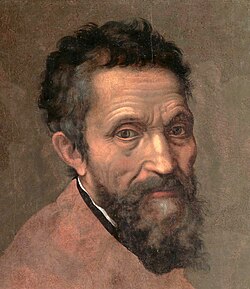
Michelangelo was born in 1475 in the Republic of Florence, in what is now Italy. He is widely considered one of the greatest artists in human history and one of the most important figures of the Renaissance.
Michelangelo was not only a painter but also a sculptor, architect, and poet. His ability to work across different artistic fields made him a true Renaissance master. Even during his lifetime, people already recognized his extraordinary talent.
Masterpieces That Changed Art
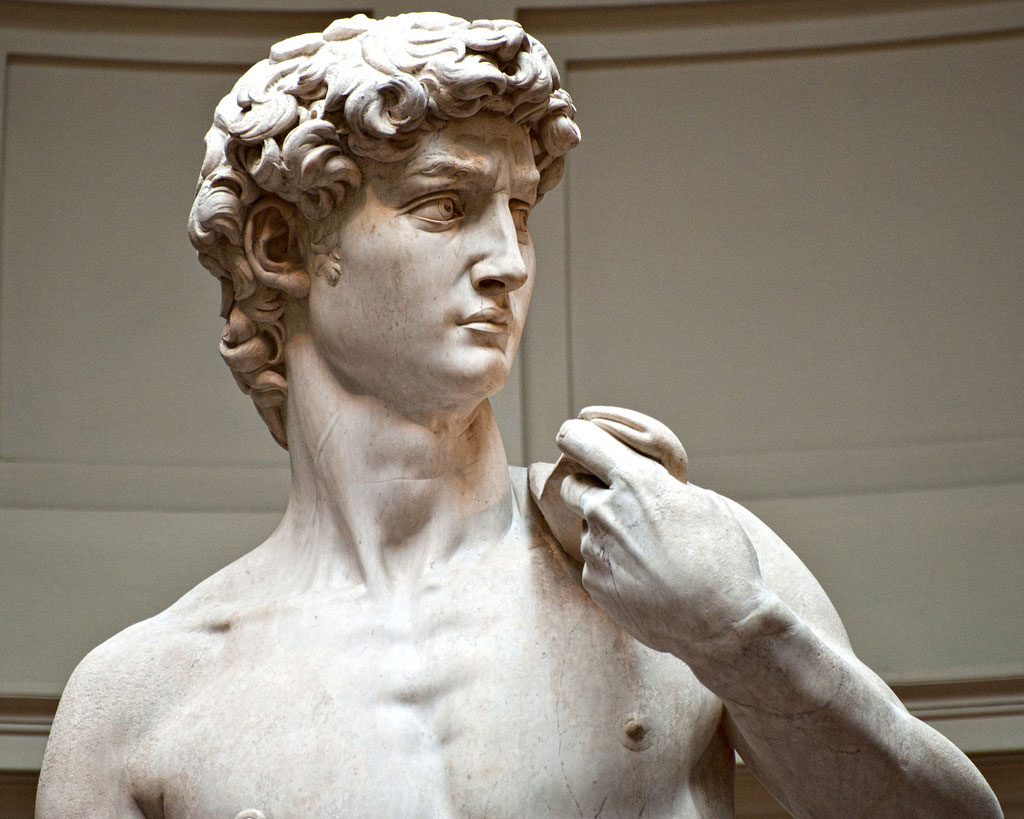
Among Michelangelo’s most famous works is the statue of David, completed in 1504. Carved from a single block of marble, the sculpture represents the biblical hero David before his battle with Goliath. The statue became a symbol of strength, beauty, and human potential.
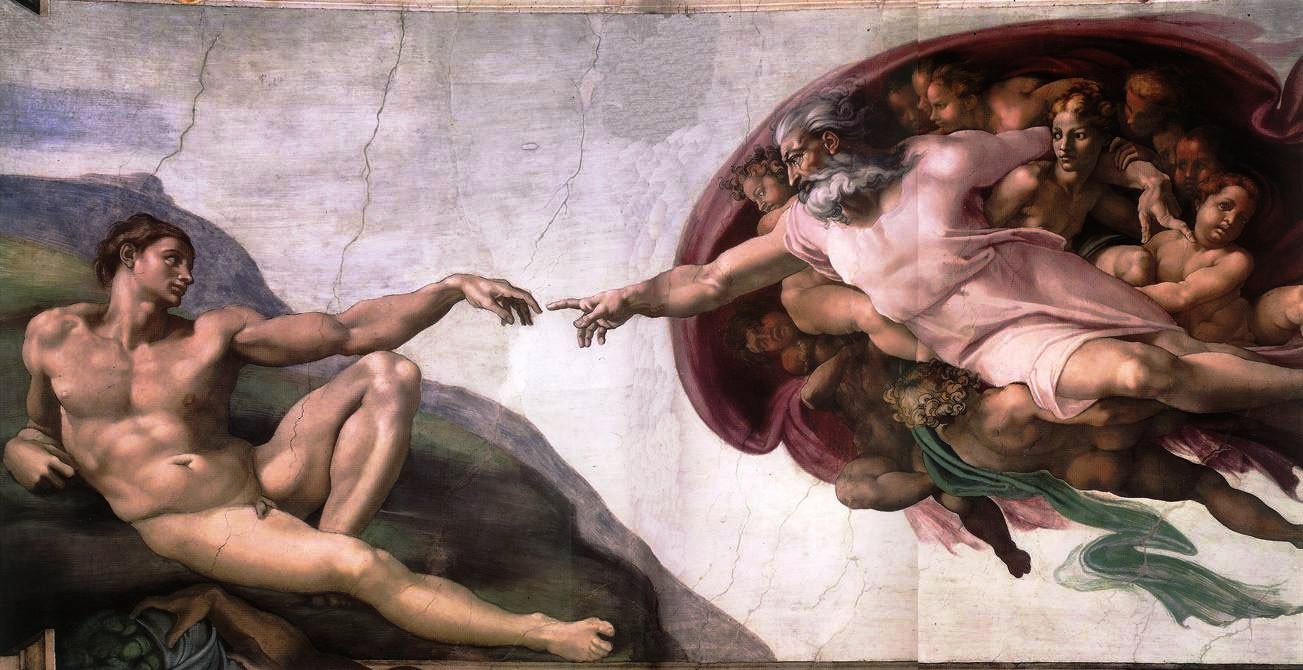
Another extraordinary creation is the ceiling of the Sistine Chapel in Vatican City. Painted between 1508 and 1512, the ceiling includes hundreds of figures and biblical scenes. One of the most famous images from this work is The Creation of Adam, showing the moment God gives life to Adam.
These masterpieces demonstrate Michelangelo’s deep understanding of anatomy, movement, and human emotion.
A Difficult but Brilliant Personality
Michelangelo was known for his intense personality and dedication to his work. He often worked long hours alone and pushed himself physically and mentally to complete his projects.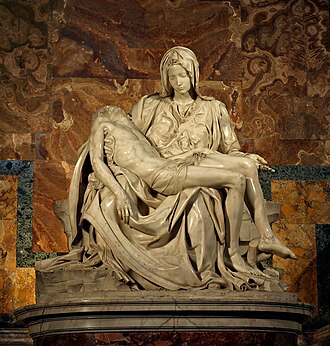
Interestingly, he considered himself primarily a sculptor, even though some of his most famous works are paintings. Despite receiving many prestigious commissions, he frequently complained about the pressure and responsibilities that came with his fame.
Curious Facts About Michelangelo
Michelangelo lived an unusually long life for his time, dying in 1564 at the age of 88. This allowed him to witness enormous cultural and political changes during the Renaissance.
Another interesting fact is that he wrote hundreds of poems and letters, many of which still exist today. His writings give historians insight into his thoughts, beliefs, and creative process.
Michelangelo also worked as an architect later in life, helping design the dome of St. Peter’s Basilica, one of the most famous churches in the world.
Why Michelangelo Still Matters Today
Michelangelo’s work represents the Renaissance belief in human creativity, knowledge, and artistic excellence. His sculptures and paintings continue to inspire artists, historians, and students around the world.
For English learners, studying historical figures like Michelangelo is a great way to expand vocabulary related to art, history, and culture. Learning through stories about influential people also helps students remember words and concepts more easily.
Get to know Apollo?
Quer aprender inglês explorando história, cultura e temas fascinantes como este? Na Apollo Academy, o aprendizado acontece por meio de conteúdos interessantes que expandem seu vocabulário e sua compreensão do mundo. Entre em contato conosco e descubra como transformar curiosidade em fluência!