




Introdução
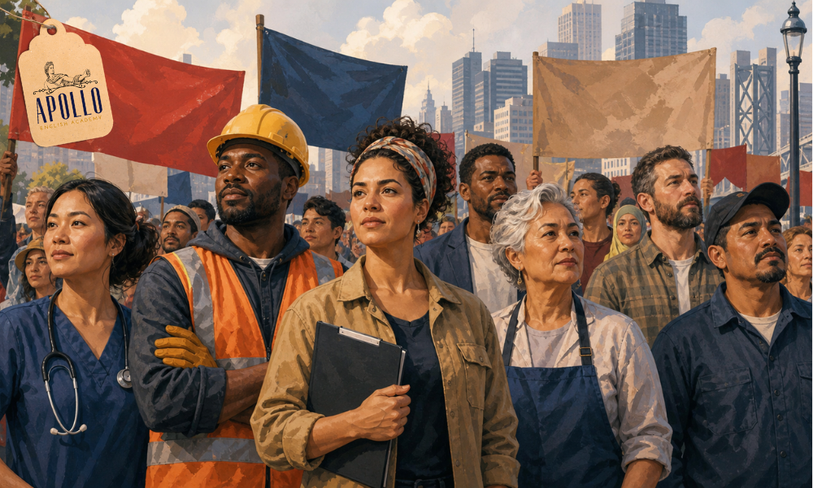
O Dia do Trabalho é mais do que um feriado: é uma data que carrega história, luta e transformação social. Celebrado em diversos países, ele nos convida a refletir sobre direitos, condições de trabalho e o papel do trabalhador na sociedade. Neste texto em inglês, você vai explorar a origem e a importância dessa data enquanto desenvolve seu vocabulário e compreensão.
📖 Aqui você encontra…
Labor Day: History, Rights, and Cultural Significance
 What Is Labor Day?
Labor Day, also known as International Workers’ Day, is celebrated on May 1st in many countries, including Brazil. It is a day dedicated to honoring workers and recognizing their contributions to society.
More than just a holiday, it represents the importance of fair labor conditions, workers’ rights, and social progress.
Historical Origins
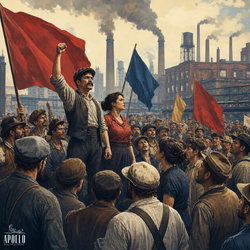
The origins of Labor Day date back to the late 19th century, during a period of rapid industrialization. Workers often faced long hours, low wages, and unsafe working conditions.
One of the most significant events linked to Labor Day is the Haymarket Affair in Chicago, Illinois, USA. Workers were protesting for an eight-hour workday when a confrontation turned violent. This event became a symbol of the struggle for labor rights.
The Importance of Workers’ Rights
Labor Day highlights the importance of rights such as fair wages, safe environments, and reasonable working hours. These rights were not always guaranteed and were achieved through decades of activism and negotiation.
Today, many of these protections are part of labor laws around the world, although challenges still exist in many industries.
Cultural Influence and Celebrations
In many countries, Labor Day is marked by public demonstrations, marches, and speeches. In Brazil, it is also a national holiday, often associated with political announcements and social discussions.
The day serves as a reminder of the ongoing importance of work in shaping identity, economy, and society.
 Interesting Facts and Curiosities
Interestingly, not all countries celebrate Labor Day on May 1st. For example, the United States observes a different Labor Day in September.
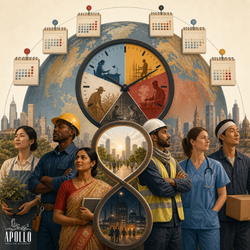
Another curiosity is that the idea of the eight-hour workday — “eight hours for work, eight hours for rest, and eight hours for what we will” — became one of the most influential labor slogans in history.
Why It Matters for English Learners
Learning about Labor Day helps students expand vocabulary related to work, society, and rights. It also encourages discussions about real-world issues, making language learning more meaningful.
Understanding these topics in English allows learners to participate in global conversations about work and social development.
Get to know Apollo?

Quer aprender inglês discutindo temas reais, atuais e que fazem parte da sua vida? Na Apollo Academy, você desenvolve seu inglês com conteúdo relevante e prático. Entre em contato conosco e descubra como aprender inglês de forma mais inteligente e conectada com o mundo.