



Introdução
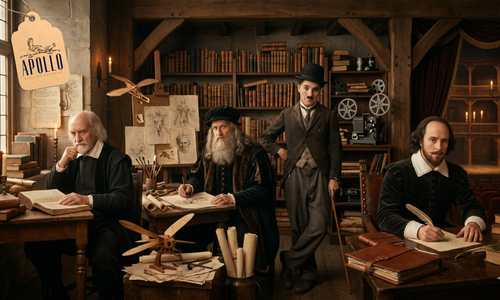
O mês de abril reúne datas que celebram grandes nomes da história — pensadores, artistas e criadores que moldaram o mundo como conhecemos hoje. De filosofia a arte, de cinema a literatura, esses nomes continuam influenciando nossa cultura e até a forma como nos comunicamos. Neste texto em inglês, você vai conhecer quatro figuras icônicas e, ao mesmo tempo, expandir seu vocabulário com um conteúdo rico e envolvente.
📖 Aqui você encontra…
Icons of History: Hobbes, Da Vinci, Chaplin, and Shakespeare
 Thomas Hobbes and the Nature of Society
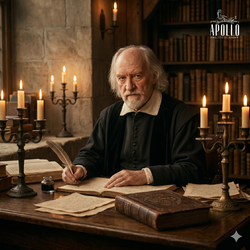
Thomas Hobbes was an English philosopher born in 1588. He is best known for his work Leviathan, in which he discusses human nature and the need for strong government. Hobbes believed that, without order, human life would be chaotic and dangerous.
His ideas about society, authority, and social contracts continue to influence political thought today.
Leonardo da Vinci and the Power of Curiosity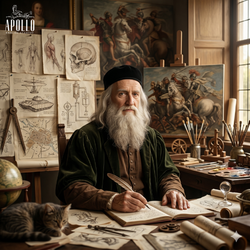
Leonardo da Vinci, born in 1452 in Italy, is often considered the perfect example of a Renaissance genius. He was a painter, scientist, inventor, and anatomist.
His most famous works include the Mona Lisa and The Last Supper. Beyond art, Leonardo created detailed sketches of machines and studied the human body with remarkable precision.
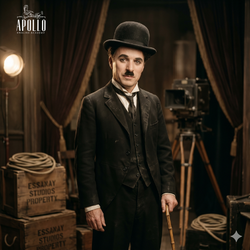
Charles Chaplin and Silent Expression
Charles Chaplin was a British actor and filmmaker who became one of the most important figures in early cinema. He is best known for his character “The Tramp,” who combined humor with social commentary.
Even without spoken dialogue, Chaplin’s films communicated complex emotions and ideas. His work shows how powerful nonverbal communication can be.
William Shakespeare and the Language of Humanity
William Shakespeare, born in 1564, is widely regarded as one of the greatest writers in the English language. His plays and poems explore universal themes such as love, power, ambition, and identity.
Shakespeare also contributed significantly to the English language, creating expressions and words still used today. His influence can be seen in literature, theater, and everyday speech.
Why These Figures Still Matter
Although they lived in different times and worked in different fields, these four figures share one important characteristic: they shaped how we think, create, and communicate.
From Hobbes’s political theories to Leonardo’s creativity, from Chaplin’s emotional storytelling to Shakespeare’s language, their legacies continue to impact modern society.

Learning English Through History and Culture
Studying historical figures helps learners develop a richer vocabulary and a deeper understanding of cultural context. It also makes learning more meaningful, as students connect language with ideas, stories, and real-world influence.
Get to know Apollo?
Quer aprender inglês explorando grandes nomes da história, cultura e ideias que moldaram o mundo? Na Apollo Academy, você desenvolve seu inglês com conteúdos ricos, interessantes e conectados com a realidade. Entre em contato conosco e descubra uma forma mais inteligente e envolvente de aprender inglês.