



Introdução
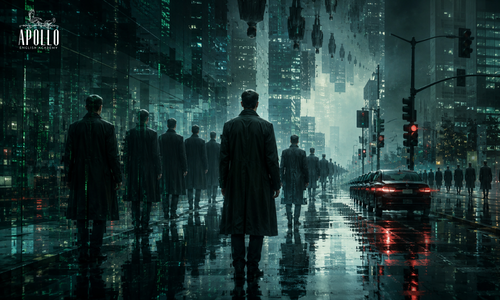
Você já teve a sensação de viver um “déjà vu”? Ou viu uma coincidência tão absurda que parecia erro de programação da realidade? Nesta semana, vamos explorar o fascinante universo das chamadas “falhas na Matrix”, mistérios, teorias e fenômenos curiosos que dominam a internet e a cultura pop. Além de praticar inglês, você vai mergulhar em um tema cheio de suspense, filosofia e imaginação.
Glitches in the Matrix: Mystery, Reality, and Pop Culture
📖 Aqui você encontra…
Glitches in the Matrix: Mystery, Reality, and Pop Culture
 What Is “The Matrix”?
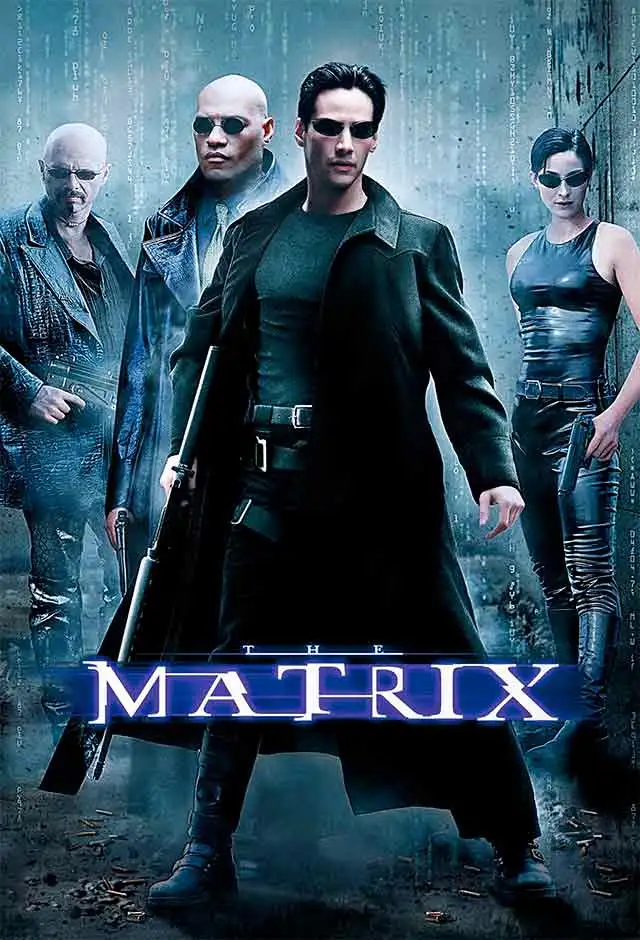
The idea of “The Matrix” became globally famous because of the movie The Matrix, directed by Lana Wachowski and Lilly Wachowski. In the film, humanity unknowingly lives inside a simulated reality controlled by machines.
The concept quickly became more than just science fiction. People began using the expression “glitch in the Matrix” to describe strange events that seem impossible, repetitive, or difficult to explain logically.
The Origin of the Idea
The idea of reality being an illusion is much older than the movie itself. Philosophers such as Plato questioned whether humans truly perceive reality as it is.
In modern times, technology and virtual reality helped popularize the theory that reality could function like a simulation. The Matrix transformed these philosophical ideas into a cultural phenomenon.
What Counts as a “Glitch”?
A “glitch in the Matrix” usually refers to unusual situations that feel unreal or strangely repetitive. Common examples include intense déjà vu, seeing someone identical to another person, or witnessing improbable coincidences.
Some internet stories describe clocks stopping at the same time, people appearing in two places at once, or objects mysteriously disappearing and returning later.
While most of these events can be explained rationally, people are fascinated by the possibility that reality may not be as stable as it seems.
Famous Cases and Internet Mysteries
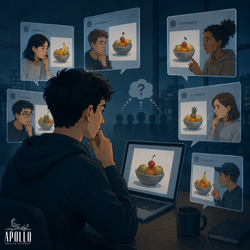
One of the most famous “glitch” stories online involves people claiming to see duplicated strangers wearing identical clothes and behaving the same way.
Another popular mystery is the “Mandela Effect,” where large groups of people remember historical details differently from reality. The phenomenon received its name because many people incorrectly remembered Nelson Mandela dying in prison decades before he actually passed away.
These stories spread rapidly on social media because they combine mystery, psychology, memory, and fear of the unknown.
 Cultural Influence and Curiosity
The Matrix deeply influenced movies, games, internet culture, and philosophy discussions. Expressions like “red pill” and “blue pill” became symbolic ways to discuss truth and perception.
The idea also reflects a modern fascination with artificial intelligence, simulations, and the relationship between humans and technology.
Why It Matters for English Learners
Topics like this are excellent for learning descriptive vocabulary, expressing opinions, and discussing abstract ideas in English.
Because the subject is engaging and imaginative, students naturally practice interpretation, argumentation, and storytelling while expanding their vocabulary in a memorable way.
Get to know Apollo?

Quer aprender inglês explorando temas curiosos, culturais e cheios de criatividade? Na Apollo Academy, você desenvolve seu inglês através de assuntos que despertam interesse de verdade — de mistérios da internet até grandes debates culturais. Entre em contato conosco e descubra uma forma muito mais envolvente de aprender inglês.