


Introdução
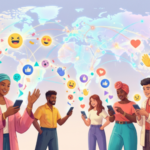
🌐 Nesta semana, comemoramos dois marcos curiosamente conectados da cultura digital: o Dia Internacional do Meme (13 de maio) e o aniversário de Mark Zuckerberg (14 de maio). De um lado, celebramos a linguagem visual mais poderosa da internet. Do outro, o criador das plataformas onde ela circula com mais força. Coincidência? Talvez. Mas o que não dá pra negar é que essas duas datas mostram como o humor, a tecnologia e a linguagem se entrelaçam — e podem até ser aliados poderosos no aprendizado de inglês.
Neste artigo, você vai descobrir a origem do termo meme, entender como o Zuckerberg ajudou a viralizar essa forma de comunicação e aprender por que os memes são mais úteis para seu inglês do que você imagina. Prepare-se para rir, aprender e ver seus posts de Instagram com outros olhos. 😄💬
📖 Aqui você encontra…
clique para ver
May 13: International Meme Day
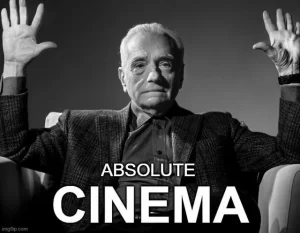
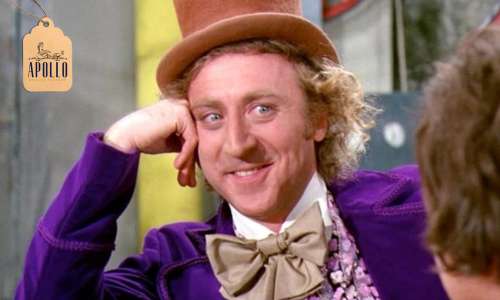
Memes are the soul of internet culture: tiny digital snapshots that reflect what we laugh at, what we care about, and how we see the world. From viral animals to ironic one-liners, memes travel at lightning speed and speak a language everyone seems to understand.
If you’ve ever laughed at a cat wearing sunglasses, quoted a viral video, or sent a SpongeBob reaction image to a friend, then you’ve definitely participated in meme culture.
But did you know that the word meme was first coined by British biologist Richard Dawkins in his 1976 book The Selfish Gene? Originally, the word described how cultural information spreads, just like genes do in biology. Fast forward to today, and memes have evolved into humorous (and sometimes chaotic) visual units of pop wisdom.
That’s why May 13 — the date associated with the origin of the word meme — has become known as International Meme Day. It’s a celebration of this digital phenomenon that makes us laugh, connect, and sometimes even think a little deeper.
May 14: Mark Zuckerberg’s Birthday
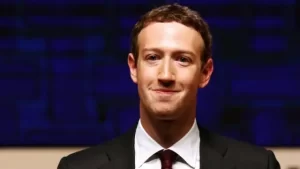
Just one day after Meme Day, we celebrate the birthday of Mark Zuckerberg, born on May 14, 1984. As the founder of Facebook and CEO of Meta, Zuckerberg played a massive role in how memes became what they are today.
Facebook, Instagram, and WhatsApp ( all under Meta) are platforms where memes are created, shared, reshaped, and turned into global sensations. Whether it’s your cousin’s Minion memes or Gen Z’s latest ironic joke, they’re all part of the same digital playground Zuckerberg helped build.
His platforms didn’t just amplify memes, they helped memes become a universal form of communication.
What Memes Teach Us About Language
Here’s something your English textbook might not tell you: memes can teach you how real English works.
Memes aren’t just jokes, they’re a form of communication. With a single image or line, they can express emotions, opinions, or inside jokes that millions of people instantly understand. They’ve become a digital language of their own.
Most memes use casual language, cultural references, humor, irony, and even sarcasm — all things that make a language feel alive. When you read or create memes in English, you’re not just having fun. You’re learning how people really speak, joke, and express feelings online.
Interpreting memes also builds reading comprehension, context awareness, and vocabulary. In short, the next time someone tells you you’re just wasting time scrolling memes… you can say you’re “studying cultural semiotics in a digital context.” (Or just say you’re learning English.)
Let’s Celebrate the Internet, Our Way
So this week, let’s celebrate the two forces that shaped how we interact online: the viral power of memes and the network built by Zuckerberg that turned memes into global conversations.
Laugh at a meme, share one with a friend, or — why not — try making your own. Bonus points if it’s in English.
What’s your ideal weekend plan?

What’s your response to being ghosted?

Pick a quote that resonates with you:

Your friend is late for the fifth time. What do you do?

What would your TED Talk be titled?

Choose a TV genre:

What's your messaging style?

You're invited to a party. You…

How do you react to sudden change?

Pick your aesthetic motto:






Conclusão
Aqui na Apollo Academy, a gente acredita que aprender inglês pode ser leve, atual e divertido — sim, até com memes. Quer aprender o idioma de verdade, com situações do mundo real? Fale com a gente e descubra nosso método personalizado para o seu estilo.
📲 Manda uma mensagem e bora rir aprendendo!