




Introdução
Esta semana reúne três nomes fundamentais da literatura e do pensamento ocidental: Edgar Allan Poe, Francis Bacon e Virginia Woolf. Apesar de viverem em épocas diferentes e escreverem de formas muito distintas, os três ajudaram a transformar a maneira como pensamos, escrevemos e interpretamos o mundo. Para quem aprende inglês, conhecer esses autores é também uma forma de entender como a língua evolui, se adapta e expressa ideias complexas, emoções profundas e reflexões sobre a sociedade.
📖 Aqui você encontra…
Words, Minds, and Shadows: Poe, Bacon, and Woolf
 Edgar Allan Poe and the Language of the Dark Mind
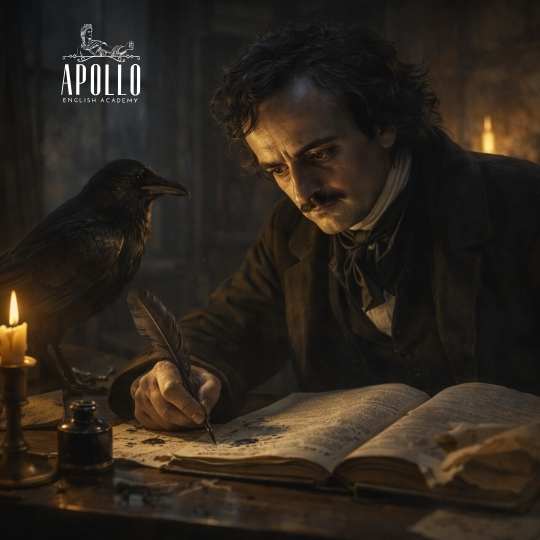
Edgar Allan Poe, celebrated on January 19, is known as one of the masters of gothic literature and psychological horror. His stories and poems explore fear, madness, guilt, and obsession, often through unreliable narrators and intense emotional language. Works like The Tell-Tale Heart and The Raven show how carefully chosen words can create atmosphere and tension. Poe’s writing is especially useful for English learners who want to expand emotional vocabulary and understand how rhythm and repetition shape meaning.
Francis Bacon and the Power of Clear Thought
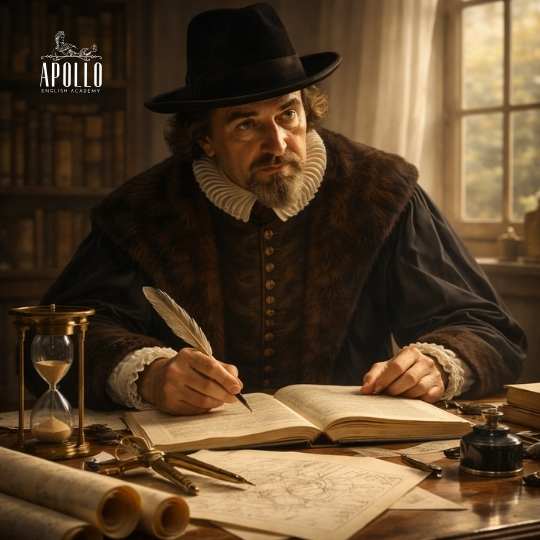
Francis Bacon, remembered on January 22, was not a novelist or poet in the traditional sense, but his influence on language and thought is enormous. As a philosopher and essayist, he defended logic, observation, and critical thinking. His essays are concise, direct, and rich in meaning, showing how English can be used with precision and purpose. Bacon believed that knowledge should serve humanity, and his writing teaches learners how structure and clarity can make ideas stronger.
 Virginia Woolf and the Inner Voice
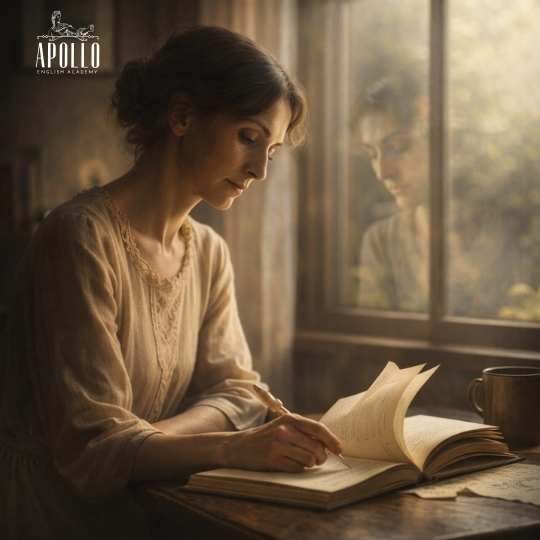
Virginia Woolf, honored on January 25, revolutionized modern literature with her focus on inner thoughts and subjective experience. Her stream-of-consciousness style allows readers to enter the minds of her characters, revealing emotions, memories, and perceptions in real time. Novels like Mrs Dalloway and To the Lighthouse challenge traditional storytelling and show how flexible and expressive the English language can be. Woolf’s work is ideal for advanced learners who want to explore nuance, tone, and psychological depth.
Different Styles, One Language
Although Poe, Bacon, and Woolf wrote in different centuries and genres, they share a belief in the power of language to shape reality. Poe uses sound and imagery to evoke fear, Bacon uses logic to organize thought, and Woolf uses introspection to explore identity. Together, they demonstrate how English adapts to emotion, reason, and perception.
Why These Authors Matter for Learning English
Studying these authors helps learners move beyond basic grammar and vocabulary. Poe teaches mood and emotional expression, Bacon teaches structure and argumentation, and Woolf teaches subtlety and voice. Learning English through literature encourages deeper comprehension, critical thinking, and cultural awareness, transforming the language into a living tool rather than a set of rules.
Get to know Apollo?
Na Apollo Academy, acreditamos que aprender inglês vai muito além da gramática. Usamos literatura, cultura e pensamento crítico para transformar o idioma em uma ferramenta real de expressão. Entre em contato com a gente e descubra como aprender inglês pode ser profundo, envolvente e cheio de significado. 📚✨