


Introdução
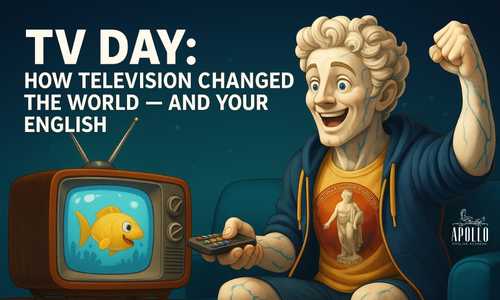
Hoje celebramos o TV Day, uma data perfeita para explorar como a televisão transformou o mundo, desde a forma como entendemos cultura até a maneira como aprendemos idiomas. A TV não é só entretenimento: ela é história, tecnologia, revolução e, claro, uma ferramenta poderosa para aprender inglês. No texto de hoje, vamos mergulhar nas curiosidades e no impacto da televisão no aprendizado de línguas.
📖 Aqui você encontra…
📺 TV Day: How Television Changed the World and Your English
Television is one of the most influential inventions of the 20th century. More than a screen in the living room, it has been a global stage for news, culture, education, entertainment, and even social change. On TV Day, we celebrate not just the device itself, but the stories, innovations, and connections it created around the world.
Below, let’s explore the origins of TV, surprising curiosities, and how it became a powerful tool for mastering English.
⭐ The Origins of Television
The concept of television began in the late 1800s, but the first fully electronic TV was developed in the 1920s and 1930s. Early broadcasts were experimental, grainy, and silent, but they fascinated the world.
By the 1950s, television became a household essential. Families gathered around black-and-white screens to watch news, talk shows, and variety programs. It changed how people received information and shaped an entire global culture.
Television was no longer a luxury. It was the future.
📡 Curiosities That Shaped TV History
Color TV Came Much Later Than People Think
Although color TV was invented in the 1940s, it didn’t become common until the 1970s in most countries. Many classic shows people imagine in color were originally filmed in black and white.
The World’s First TV Commercial Was for… a Clock!
In 1941, the first paid TV advertisement aired in the United States: a 10-second ad for Bulova Watches that simply said, “America runs on Bulova time.”
 Remote Controls Were Revolutionary
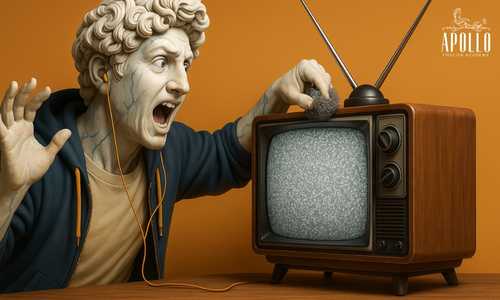
Before remote controls, people actually had to get up to change the channel, a fact that shocks many younger learners! The remote changed not only comfort, but also the pace of how we consumed TV.
Global Events That United the World
Television broadcasted some of humanity’s most iconic moments:
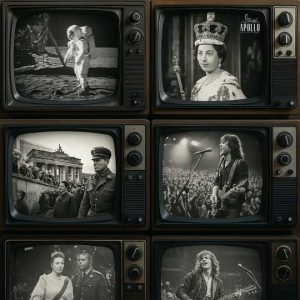
• The moon landing
• The fall of the Berlin Wall
• The coronation of Elizabeth II
• Global concerts like Live Aid
TV connected countries long before the internet ever did.
🎞️ How TV Helps You Learn English
Television is one of the most effective tools for learning a language, and science agrees! Watching TV in English helps learners develop listening, vocabulary, intonation, and cultural understanding.
Real Dialogue, Real Life
Sitcoms, dramas, news programs, and documentaries expose learners to authentic English — slang, idioms, accents, and natural rhythm.
Cultural Knowledge
Understanding jokes, references, and informal speech is essential for fluency. Shows like Friends, The Office, or Modern Family provide cultural immersion that textbooks cannot replicate.
Visual Context Helps Learning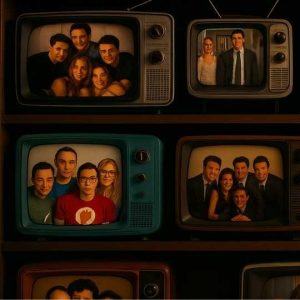
Seeing facial expressions, gestures, and emotions makes comprehension easier and learning more intuitive.
A Gentle Push to Think in English
When you watch in English with English subtitles, your brain begins to associate words directly with meaning, an essential step toward thinking in the language.
TV doesn’t just entertain. It teaches, guides, and supports learners on their fluency journey.
Get to know Apollo!
Gostou da ideia de aprender inglês com séries, filmes e programas de TV?
Na Apollo Academy, usamos conteúdos reais e estratégias modernas para transformar a sua experiência com o inglês.
Entre em contato e comece hoje mesmo!

Se você quer aprender inglês com leveza, estratégia e acolhimento — entendendo seu processo e respeitando o seu ritmo — venha estudar com a gente na Apollo Academy.
Entre em contato com a Apollo English Academy e comece hoje mesmo a destravar o inglês de forma natural!