



Thanksgiving: The Story, the Controversies, and Your English
Introdução
Essa semana a gente entra no clima de Thanksgiving, uma das datas mais famosas dos Estados Unidos (e, ao mesmo tempo, uma das mais debatidas). Pra muita gente, é um dia de comida, família e gratidão. Pra outras pessoas, é um lembrete de como histórias podem ser contadas de um jeito “bonitinho” e esconder uma parte mais dolorosa do passado…
📖 Aqui você encontra…
clique para ver🦃 Thanksgiving: The Story, the Controversies, and Your English
Thanksgiving is one of the most well-known holidays in the United States. Every year, people gather with family and friends, share a big meal, and talk about gratitude. For many, it feels warm and comforting, like a cultural “pause button” to appreciate what truly matters.
ut Thanksgiving is also complicated. Behind the turkey and pumpkin pie, there is a story that has been told in different ways for centuries. To understand the holiday (and the English around it), we need to look at both the traditional narrative and the questions people ask about it today.
⭐ The Traditional Story: A Harvest and a Meeting
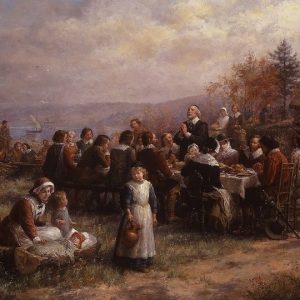
The most famous Thanksgiving story is connected to the English settlers (often called the Pilgrims) who arrived in North America in 1620 and built a colony in Plymouth. During their first winter, many people suffered from hunger and disease. Life was extremely difficult.
In 1621, after a successful harvest, the settlers held a feast. According to common accounts, they shared food with members of the Wampanoag people. This moment is often described as a symbol of cooperation and survival.
However, historians also remind us that this “simple feast story” is only one piece of a much larger and more complex reality.
🕰️ How It Became a National Holiday
What many people don’t know is that Thanksgiving didn’t become a fixed national holiday immediately. Over time, different colonies and states celebrated days of thanks in different ways.
In the 1800s, Thanksgiving became more popular across the country, and it finally became official during the American Civil War, when President Abraham Lincoln proclaimed a national day of thanksgiving in 1863. Later, the date was standardized, and today it is celebrated on the fourth Thursday of November in the U.S.
So yes: the holiday is old — but the way people celebrate it now was shaped by politics, culture, and tradition over time.
⚡ Controversies: Whose Story Is Being Told?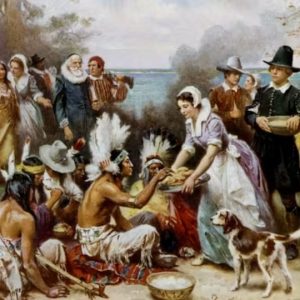
For many Native American communities, Thanksgiving can feel painful, because the traditional narrative often ignores what happened after early contact: land loss, violence, forced removals, disease, and broken agreements.
That’s why some people see Thanksgiving as an example of how a national story can “edit” history — focusing on a peaceful meal while leaving out centuries of suffering.
Since 1970, for example, some Indigenous activists have observed a National Day of Mourning on Thanksgiving, to remember the lives and cultures impacted by colonization. This doesn’t mean people cannot feel gratitude on the day — it means the conversation can include truth, respect, and remembrance too.
🎈 Curiosities (Because Culture Is Never Just One Thing)
-
Turkey wasn’t always the star. Early meals did not necessarily look like modern Thanksgiving dinners.
-
Parades became iconic. Large Thanksgiving parades turned the holiday into a media event.
-
Leftovers are a tradition. Many families eat “Thanksgiving leftovers” for days — and yes, that’s basically a lifestyle.
-
Football is part of the day. For a lot of Americans, Thanksgiving = food + family + football on TV.
-
“Black Friday” is right after. The day after Thanksgiving became famous for shopping and big sales.
Thanksgiving is not only a historical event — it’s a cultural machine: food, media, family rituals, and national identity all mixed together.
 🎧 How Thanksgiving Helps Your English
Thanksgiving is perfect for language learning because it activates real-life English: emotions, opinions, family dynamics, invitations, gratitude, and storytelling.
Useful everyday phrases:
-
I’m thankful for…
-
I really appreciate…
-
I’m grateful to have…
-
We’re gathering at my place.
-
Let’s share what we’re thankful for.
And a great grammar bonus:
Thanksgiving stories naturally use Past Simple (events) + Past Continuous (background) while discussing culture in Present Simple.
In other words: you can learn English while people argue about pie, history, and whether turkey is dry. Educational AND dramatic. A masterpiece. 😌🦃

Get to know Apollo!
Gostou da ideia de aprender inglês com séries, filmes e programas de TV?
Na Apollo Academy, usamos conteúdos reais e estratégias modernas para transformar a sua experiência com o inglês.
Entre em contato e comece hoje mesmo!
Se você quer aprender inglês com leveza, estratégia e acolhimento — entendendo seu processo e respeitando o seu ritmo — venha estudar com a gente na Apollo Academy.
Entre em contato com a Apollo English Academy e comece hoje mesmo a destravar o inglês de forma natural!
