



Introdução
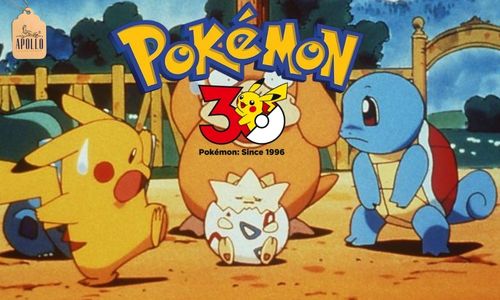
Hoje celebramos o Pokémon Day, uma data especial para fãs de todas as idades ao redor do mundo. Mais do que um simples jogo, Pokémon se tornou um fenômeno cultural global que atravessa gerações. Neste artigo, você vai aprender sobre a origem da franquia, seus momentos mais importantes, sua relevância cultural e curiosidades fascinantes — tudo em inglês para ampliar seu vocabulário de forma leve e contextualizada.
📖 Aqui você encontra…
Pokémon Day: A Global Phenomenon That Changed Pop Culture
 What Is Pokémon?
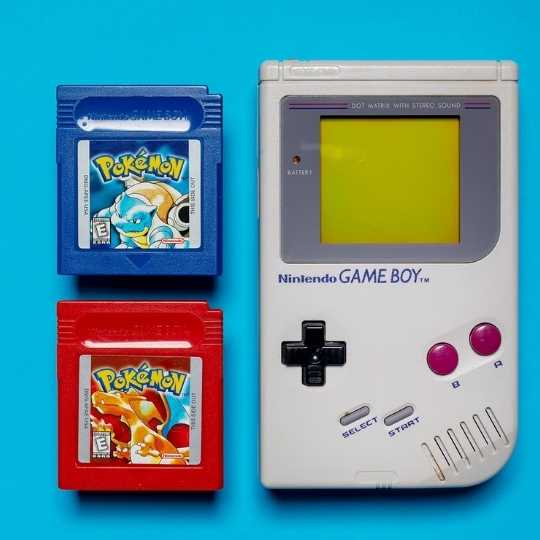
Pokémon Red and Blue marked the beginning of one of the most successful entertainment franchises in history. Created by Satoshi Tajiri and developed by Game Freak, Pokémon was first released in Japan in 1996 for the Game Boy.
The concept is simple yet powerful: players capture creatures called Pokémon and train them to battle. The slogan “Gotta Catch ’Em All” became a global catchphrase, encouraging exploration, strategy, and collection.
Origins and Inspiration
Satoshi Tajiri was inspired by his childhood hobby of collecting insects. As urbanization reduced natural play spaces in Japan, he wanted to recreate the feeling of discovery for a new generation through video games. This idea became the foundation of Pokémon.
The franchise quickly expanded beyond games. The animated series, starring the iconic character Ash Ketchum and his partner Pikachu, introduced Pokémon to international audiences. Trading cards, movies, toys, and merchandise followed, transforming Pokémon into a multimedia empire.
Major Milestones

One of the biggest turning points came in 2016 with the release of Pokémon GO. Developed by Niantic, the augmented reality mobile game encouraged players to explore real-world locations to catch Pokémon. It became a global sensation almost overnight.
Over the years, the franchise has introduced more than 1,000 Pokémon species. Each new generation of games expands the fictional world while maintaining the core mechanics of training, battling, and friendship.
Cultural Importance
Pokémon is not just entertainment. It represents globalization in action. A Japanese concept became a shared language among children and adults worldwide. The franchise helped shape the late 1990s and early 2000s pop culture landscape.
It also influenced how media franchises operate, combining games, television, movies, and collectibles into one interconnected universe. Pokémon remains one of the highest-grossing media franchises in history.
 Interesting Facts and Curiosities

Pikachu was not originally planned to be the main mascot of the franchise. Over time, however, its popularity made it the official face of Pokémon.
Another interesting detail is that the name “Pokémon” comes from the English words “Pocket Monsters.” The games also encourage strategic thinking, problem-solving, and reading comprehension through dialogue and battle mechanics.
Why Pokémon Matters for English Learners
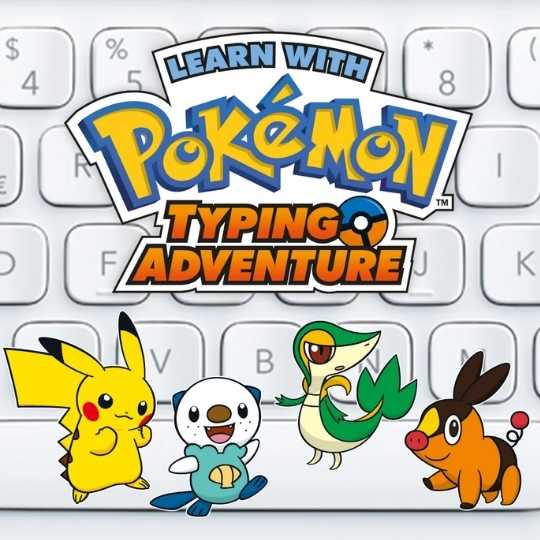
Pokémon provides rich vocabulary related to strategy, evolution, teamwork, and adventure. Because it exists in games, television, and books, learners can practice reading and listening in authentic contexts.
Discussing Pokémon in English helps students connect with global communities. When language is tied to something engaging and meaningful, learning becomes more effective and memorable.
Get to know Apollo?
Quer aprender inglês falando sobre cultura pop, tecnologia e os temas que realmente fazem parte do seu mundo? Na Apollo Academy, você desenvolve vocabulário e fluência por meio de conteúdos atuais e envolventes. Entre em contato conosco e descubra como transformar seus interesses em aprendizado de verdade.