



Introdução
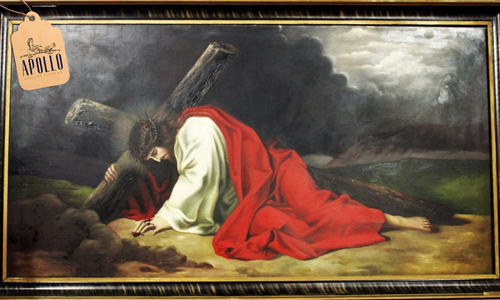
A Paixão de Cristo é um dos momentos mais marcantes da tradição cristã e também um tema profundamente presente na cultura, na arte e na história. Mais do que um evento religioso, ela influenciou séculos de literatura, cinema, pintura e até expressões do cotidiano. Neste texto em inglês, você vai entender melhor esse tema, ampliar seu vocabulário e refletir sobre seu impacto cultural e histórico.
📖 Aqui você encontra…
Passion of Christ Day: History, Meaning, and Cultural Influence
 Who Is Jesus Christ?
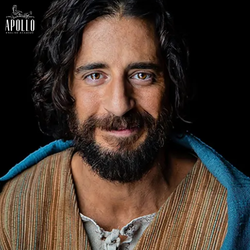
Jesus Christ is the central figure of Christianity, one of the largest religions in the world. He was born in the region of Judea, part of the Roman Empire at the time, and his teachings focused on love, compassion, forgiveness, and faith.
His life and message have influenced billions of people across centuries, shaping cultures, traditions, and moral values in many societies.
What Is the Passion of Christ?
The term “Passion of Christ” refers to the final period of Jesus’s life, including his suffering, crucifixion, and death. These events are described in the New Testament of the Bible and are remembered especially during Holy Week.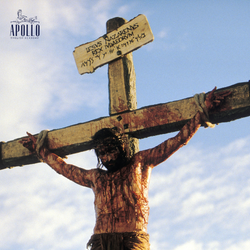
The word “passion” in this context comes from Latin and means “suffering.” It highlights the physical and emotional pain Jesus endured before his death.
Historical and Religious Importance
The Passion of Christ is a central event in Christian belief. It represents sacrifice, redemption, and the idea of salvation. According to Christian teachings, Jesus’s death was a way to forgive humanity’s sins.
These events are commemorated every year during Good Friday, a day of reflection and remembrance. In many countries, people attend religious services, watch reenactments, or participate in processions.
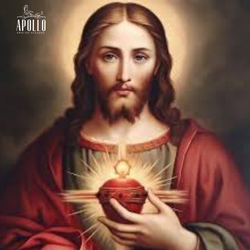 Cultural Influence Around the World
The Passion of Christ has inspired countless works of art, literature, and film. One well-known example is the movie The Passion of the Christ, directed by Mel Gibson, which portrays the final hours of Jesus’s life.
In Brazil, one of the most famous representations takes place in Nova Jerusalém, Pernambuco, Brazil, where a large theatrical production reenacts the Passion every year, attracting thousands of visitors.
Interesting Facts and Curiosities
The story of the Passion has been told in many different artistic styles, from classical paintings to modern films. Each interpretation reflects the culture and time in which it was created.
Another interesting fact is that the timeline of events during the Passion has been studied by historians and theologians for centuries, leading to different interpretations and discussions.
Despite variations in storytelling, the core message of sacrifice and compassion remains consistent across cultures.
Why It Matters for English Learners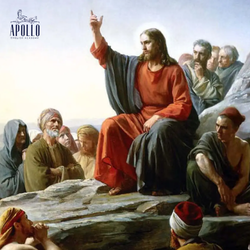
Learning about topics like the Passion of Christ helps students develop vocabulary related to history, religion, and culture. It also encourages deeper discussions and critical thinking in English.
By exploring meaningful and complex topics, learners improve not only their language skills but also their ability to express ideas, beliefs, and interpretations in a global context.
Get to know Apollo?
Quer aprender inglês explorando temas históricos, culturais e relevantes como este? Na Apollo Academy, você desenvolve seu inglês com conteúdos que fazem sentido e conectam idioma e conhecimento. Entre em contato conosco e descubra uma forma mais interessante e eficiente de aprender inglês.