




Introdução
Superstições fazem parte da cultura de quase todos os países, e no inglês isso não é diferente. Além de curiosas, muitas dessas crenças estão escondidas em expressões idiomáticas usadas até hoje — e que podem confundir quem tenta traduzir literalmente. No blog desta semana, vamos mergulhar nesse universo cheio de história, folclore e mistério enquanto aprendemos inglês de um jeito leve, cultural e inteligente.
📖 Aqui você encontra…
English and Superstitions: Idioms, Origins & Why They Matter
Idioms are one of the most fascinating parts of the English language. They carry centuries of culture, beliefs, fears, and humor — and superstition-based idioms are especially rich in meaning. Understanding them helps learners go far beyond vocabulary. It’s about seeing how people used to explain the world long before science and logic were widely available.
Idioms and the Superstition Behind Them
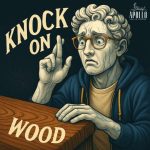 “Knock on Wood” — The Charm to Avoid Bad Luck
This expression is used when someone says something positive and wants to avoid “jinxing” it, as in “I’ve never failed a test — knock on wood.”
Its origin goes back to ancient European cultures that believed protective spirits lived inside trees. Touching the wood was a way to call for safety and chase away misfortune. The superstition faded, but the idiom survived — and today it’s completely natural in everyday English.
“Break a Leg” — A Good-Luck Wish in Disguise
For English learners, this idiom sounds almost violent. But in the world of theater, saying “good luck” was considered unlucky. To avoid triggering bad fortune, performers started wishing the opposite — “break a leg.”
It’s a perfect example of how cultural beliefs shape language. No one wants an injury, but everyone wants a great performance.
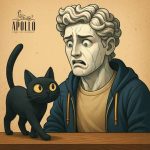 “A Black Cat Crossing Your Path” — Luck or Trouble?
In English, the phrase “a black cat crossing your path” still symbolizes something unlucky. Its roots lie in medieval Europe, when black cats were linked unfairly to witchcraft.
But here’s the twist: in other cultures, like in parts of the UK and Japan, black cats actually mean good luck. Idioms show that superstition depends entirely on cultural perspective.
“Spill the Beans” — When Secrets Fall Out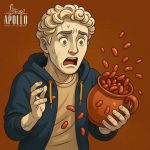
Today, “spill the beans” means to reveal a secret — sometimes by accident.
The expression likely comes from ancient Greek voting, where people secretly voted using beans. If someone spilled them, the secret result was revealed instantly. It wasn’t magical… but it was a ritual tied to fate and group decisions.
 “Jinx” — The Power of Spoken Words
To “jinx” something is to accidentally bring bad luck by talking about it. The word comes from an old belief that spells and curses could be cast simply through speech. Even today, children playfully shout “JINX!” when two people say the same thing simultaneously, keeping the superstition alive in a fun way.
Why Idioms Matter in English Learning
Idioms are cultural treasures, and translating them literally never works. They carry the history of fears, hopes, beliefs, and daily habits of English speakers.
When learners understand their origins — whether mystical, humorous, or dramatic — the language becomes far more memorable. Superstitions may have faded, but the expressions remain alive, helping us see how people once used imagination to understand the world.
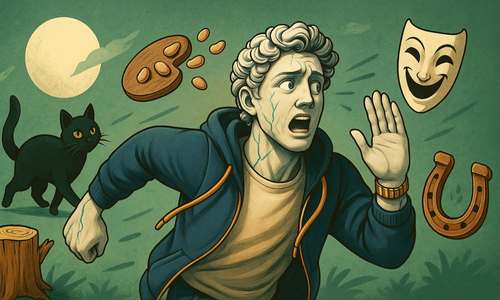
Learning English isn’t only about grammar. It’s also about discovering the stories behind the words — and that is what makes the journey exciting.
Get to know Apollo!
Quer aprender inglês entendendo cultura, contexto e expressões que fazem parte do dia a dia real? Na Apollo Academy, você aprende inglês de verdade, com significado, exemplos reais e muita prática.
Fale com a gente e comece hoje a transformar o seu inglês!
Se você quer aprender inglês com leveza, estratégia e acolhimento — entendendo seu processo e respeitando o seu ritmo — venha estudar com a gente na Apollo Academy.
Entre em contato com a Apollo English Academy e comece hoje mesmo a destravar o inglês de forma natural!