



Introdução
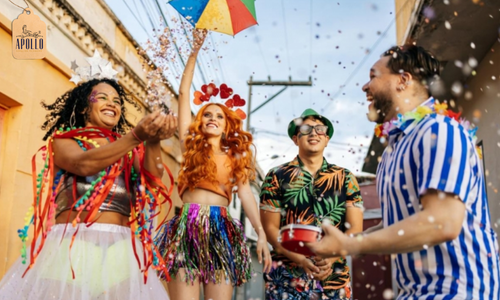
Essa semana a gente fala de algo que faz parte da nossa identidade: Carnival in Brazil 🎭✨
Muito além de festa, música e fantasia, o Carnaval carrega história, resistência, diversidade cultural e expressão social. No nosso novo texto do blog, exploramos as origens da celebração, as diferenças entre Rio, Salvador, Recife, Olinda e São Paulo, e como tudo isso pode ajudar você a falar sobre cultura brasileira em inglês.
Porque aprender inglês também é saber explicar quem você é e de onde você vem 🌍
📖 Aqui você encontra…
Carnival in Brazil: History, Culture, and Celebration
 The Origins of Carnival
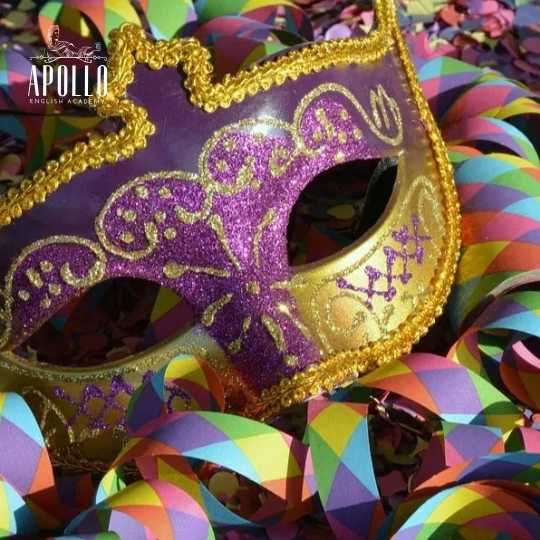
Carnival is one of the most vibrant and widely celebrated festivals in the world. Its origins date back to ancient European traditions connected to seasonal celebrations and religious calendars. The word “Carnival” is often associated with the Latin expression carne vale, meaning “farewell to meat,” referring to the period before Lent in the Christian calendar. During Lent, people traditionally practiced fasting and reflection, so Carnival became a time of joy, indulgence, music, and collective celebration before a more serious season.
When Portuguese colonizers arrived in Brazil, they brought these festive traditions with them. Over time, European customs blended with African and Indigenous cultural influences. This cultural fusion transformed Carnival in Brazil into something unique, deeply rhythmic, and visually spectacular.
The Cultural Importance of Carnival
Carnival is not only a party. It is an important cultural expression that reflects Brazil’s history, diversity, and social dynamics. Music, dance, costumes, and parades become powerful tools of storytelling. Samba schools, for example, often choose themes that address historical events, political issues, Afro-Brazilian heritage, or national identity.
Beyond entertainment, Carnival represents freedom of expression. For a few days, cities change their routine. Streets become stages, and social barriers seem to soften. It is a moment when creativity, satire, and artistic performance take center stage.
The Spectacle of Rio de Janeiro
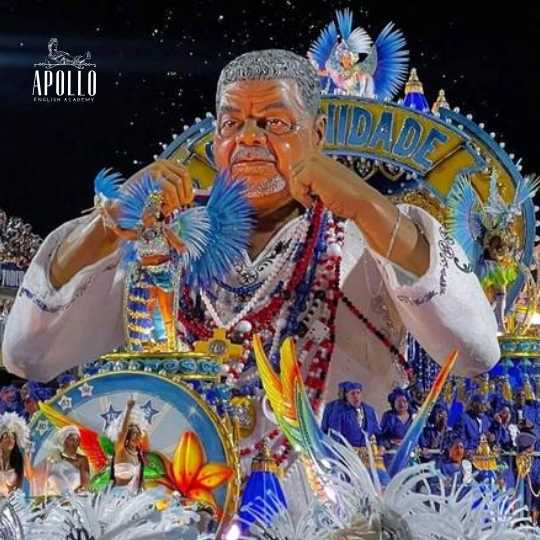
When people think about Brazilian Carnival, they often imagine the grand parades of Rio de Janeiro. The city is home to the Sambadrome, where samba schools compete in elaborate performances judged on music, choreography, costumes, and storytelling.
Each samba school spends an entire year preparing for its parade. Thousands of participants wear detailed costumes, and massive floats move slowly down the avenue, accompanied by powerful drum sections known as “baterias.” The event is broadcast internationally and attracts visitors from all over the world.
Salvador and the Power of Afro-Brazilian Culture
In Salvador, Carnival has a different energy. Instead of a central parade competition, the celebration happens mainly in the streets. Large sound trucks called “trios elétricos” move through the city, followed by huge crowds dancing to axé and other regional music styles.
Salvador’s Carnival strongly highlights Afro-Brazilian identity. Music and dance reflect African roots, and many groups use the festival to celebrate Black culture and fight against racial inequality. The atmosphere is intense, participatory, and deeply connected to community expression.
 Recife and Olinda: Tradition and Frevo
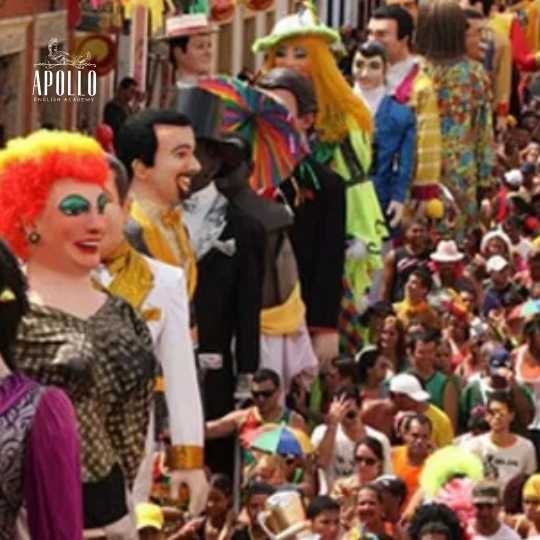
In Recife and Olinda, Carnival is marked by frevo music and colorful umbrellas. Frevo is fast, energetic, and physically demanding. Dancers perform quick, acrobatic steps that require agility and balance.
Olinda is also famous for its “giant puppets,” large human-shaped figures carried above the crowd. The historic streets, colonial architecture, and traditional rhythms create a more folkloric and community-based Carnival experience.
São Paulo and Growing Influence
São Paulo has developed a strong Carnival tradition similar to Rio’s parade model. Its samba schools have gained national recognition, and the city’s Sambadrome hosts competitive parades with impressive organization and creativity. Over the years, São Paulo’s Carnival has grown in scale and international visibility.
Curiosities and Interesting Facts
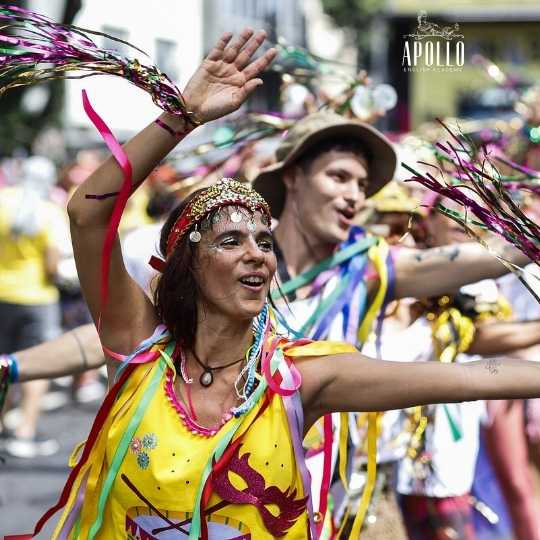
Carnival is one of the largest public events in the world, attracting millions of participants annually. In some cities, celebrations last more than a week. The economic impact is significant, generating jobs in tourism, costume production, event management, and entertainment.
Another interesting fact is that Carnival themes often include social commentary. While the festival is joyful and colorful, it can also be critical and reflective. Humor, irony, and artistic symbolism are frequently used to address serious issues.
Why Carnival Matters for English Learners
Learning about Carnival in English allows students to talk about their own culture in an international context. It expands vocabulary related to traditions, history, music, and society. Being able to describe Carnival in English is not only a language exercise but also a way to share Brazilian identity with the world.
Understanding cultural topics in English builds confidence and prepares learners for global conversations. Carnival is a perfect example of how language and culture are deeply connected.
Get to know Apollo?
Quer aprender inglês de forma contextualizada e falando sobre cultura, atualidades e temas que fazem parte da sua realidade? Na Apollo Academy, você desenvolve vocabulário, compreensão e confiança para se comunicar em inglês no mundo real. Entre em contato conosco e descubra como transformar seu aprendizado em fluência de verdade.