



Introdução
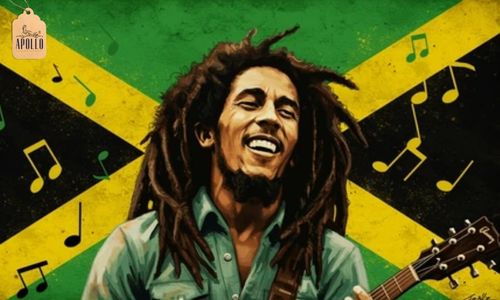
Hoje celebramos o Bob Marley Day, uma data que homenageia um dos artistas mais influentes da história da música. Muito além do reggae, Bob Marley se tornou uma voz global de resistência, espiritualidade e identidade cultural. Suas músicas continuam atravessando gerações e, para quem aprende inglês, elas também são uma poderosa ferramenta de contato com linguagem, emoção e contexto social.
📖 Aqui você encontra…
Bob Marley Day: Music, Message, and Language
 From Jamaica to the World
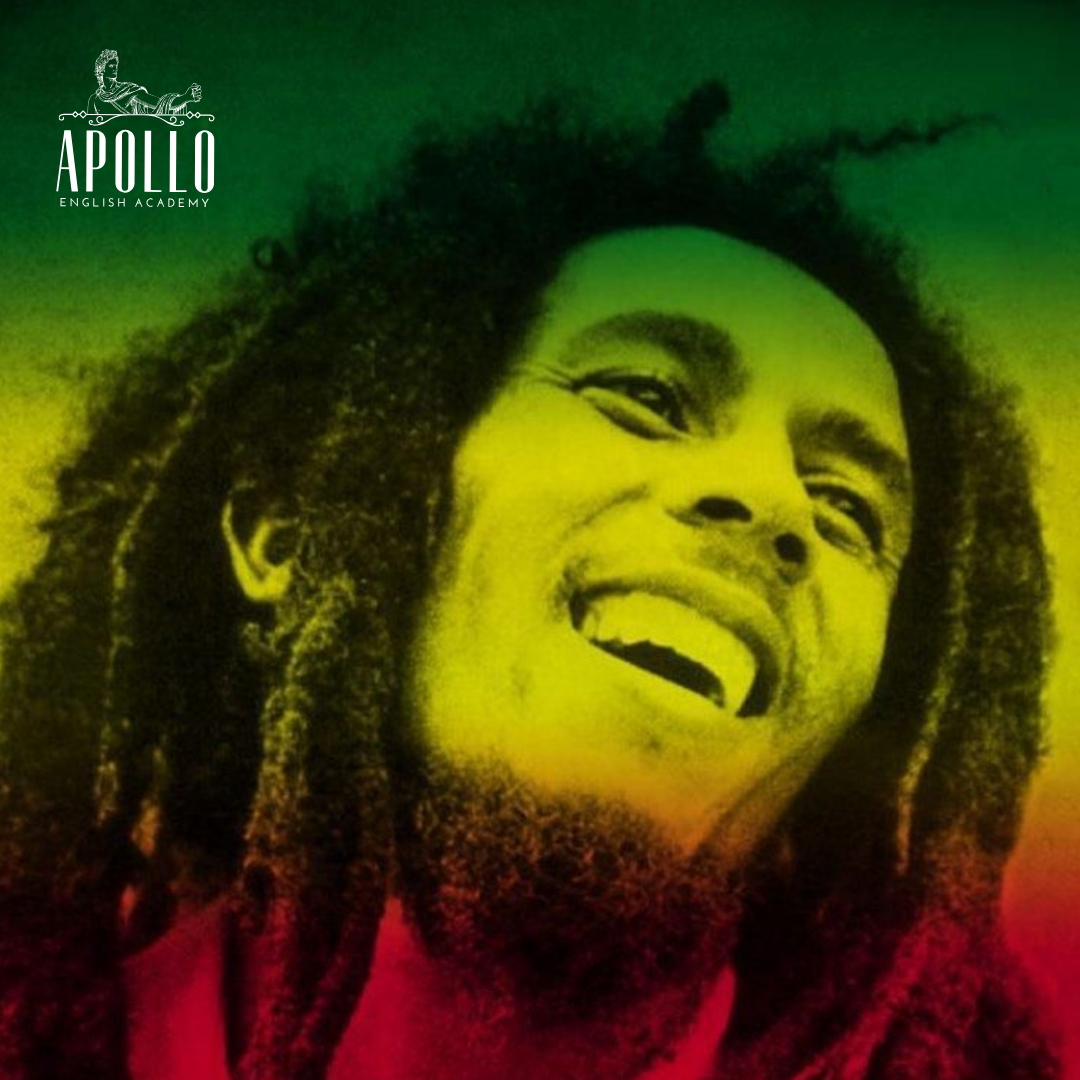
Bob Marley was born in Jamaica in 1945 and grew up in a society marked by social inequality, political tension, and deep cultural contrasts. From an early age, he was exposed to different musical influences, including traditional Jamaican rhythms, American soul, and folk music. These experiences shaped both his sound and his worldview. As the lead singer of The Wailers, Marley played a key role in taking reggae beyond the borders of Jamaica, turning a local and often marginalized genre into a powerful global movement that spoke to people from very different backgrounds.
Music as Protest and Expression
Throughout his career, Bob Marley used music not just as entertainment, but as a form of protest, communication, and reflection. His lyrics addressed universal themes such as freedom, oppression, peace, love, faith, and social justice, often inspired by real political and social struggles. Songs like Redemption Song, No Woman, No Cry, and Get Up, Stand Up combine simple language with strong emotional impact, allowing listeners to connect deeply with the message. This balance between accessibility and depth is one of the reasons his music remains relevant decades later.
Spirituality, Identity, and Language
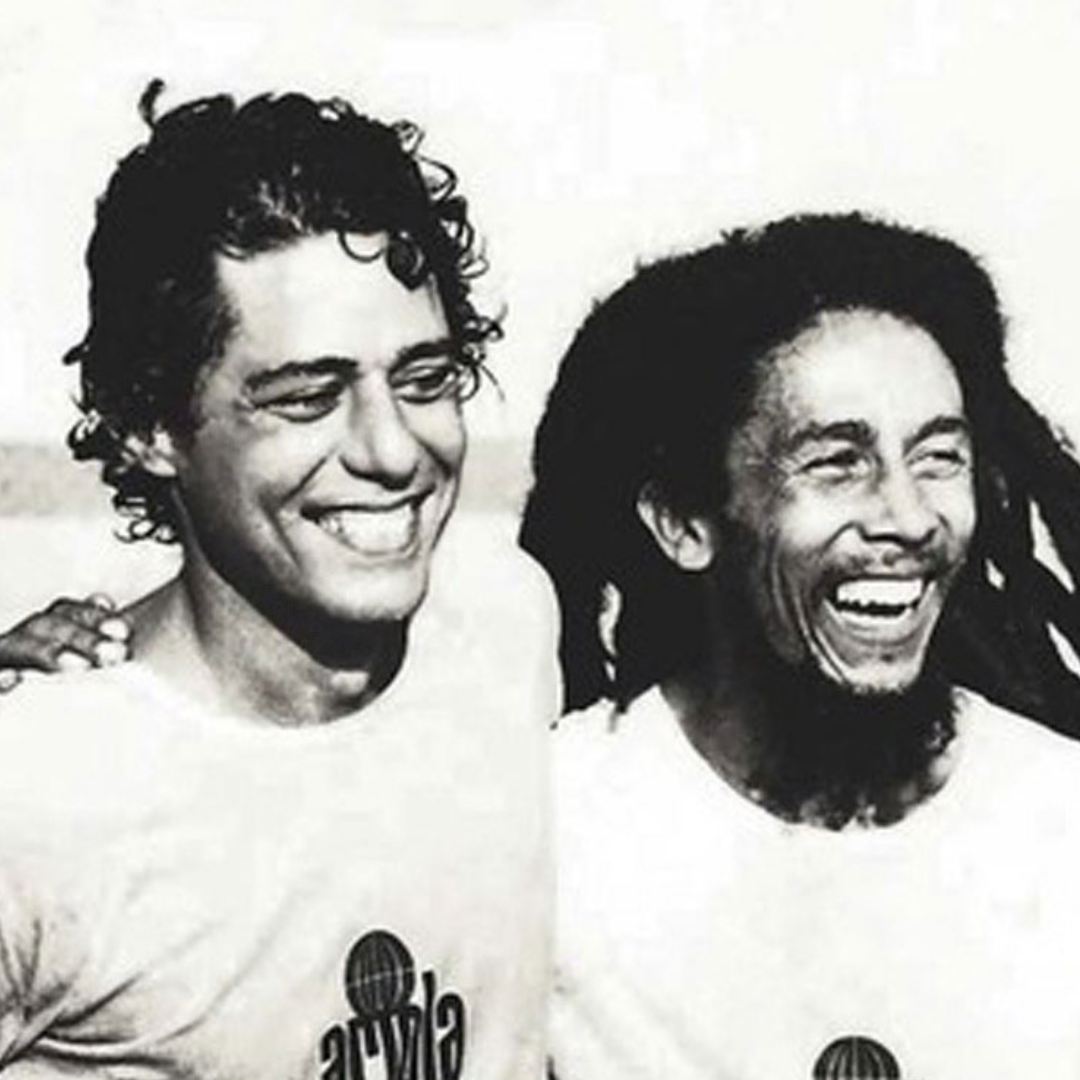
One of the most distinctive elements of Bob Marley’s legacy is how he blended music with cultural and spiritual identity. His connection to Rastafarianism strongly influenced both his worldview and his artistic choices. In his lyrics, Marley frequently used symbolism, metaphors, and biblical references to talk about colonialism, resistance, exile, and racial inequality. Understanding his music often requires attention not only to vocabulary, but also to historical and cultural context, making his work especially rich from a language-learning perspective.
A Global Voice Through English
Bob Marley’s influence goes far beyond music charts and commercial success. He became a global symbol of unity, resistance, and hope, using English as a bridge between local Jamaican experiences and international audiences. By singing in English, he was able to carry stories rooted in Caribbean history to listeners around the world. His work shows how language can amplify culture, giving voice to communities and transforming personal or regional stories into universal messages that resonate across borders and generations.
 Learning English Through Music
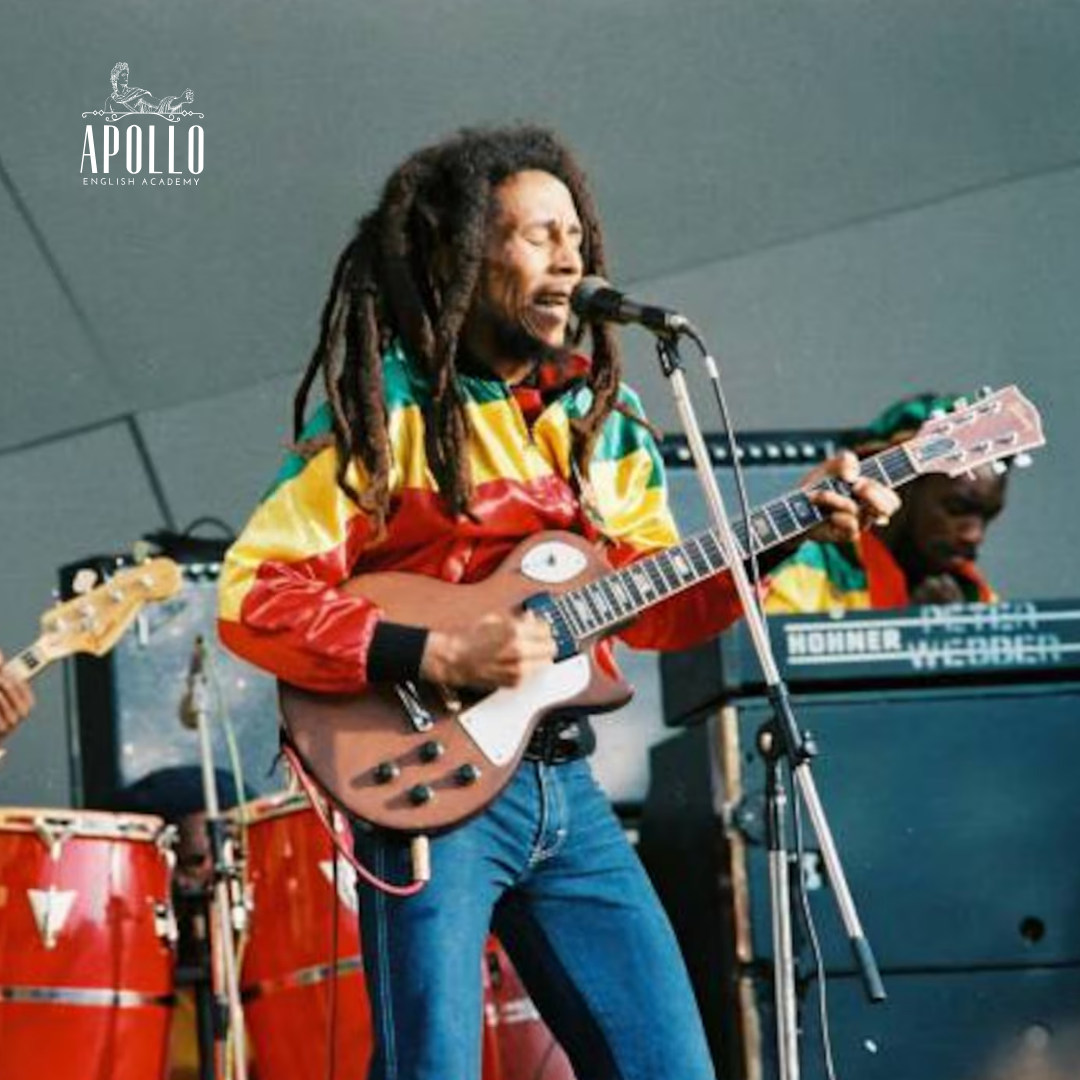
For English learners, Bob Marley’s songs are particularly valuable as learning material. His lyrics are often clear, repetitive, and emotionally expressive, which helps with listening comprehension and vocabulary retention. The rhythm of reggae also supports pronunciation and intonation practice, allowing learners to feel the natural flow of the language. Learning English through music like Marley’s encourages students to connect words with emotion, context, and real-world meaning, making the learning process more engaging, effective, and memorable.
Get to know Apollo?
Na Apollo Academy, acreditamos que aprender inglês vai muito além da gramática. Usamos música, cultura e histórias reais para tornar o aprendizado mais envolvente e conectado ao mundo. Quer aprender inglês de forma natural e significativa? Entre em contato com a gente e comece hoje mesmo. 🎶🌍📘